Perhaps one of the biggest secrets to improving our overall quality of life is acquiring adequate, quality sleep. The germ of this restorative project—your mattress—is the most important purchase decision you make for your comfort and well-being. This step-by-step tutorial will cover all the important aspects of this decision-making process so you can make the right choice for comfortable nights.
The Importance of a Good Mattress
A good mattress not only offers a place to rest but much more in this life, especially when the day is over. It does help carry some of the body weight, helps to keep the spine aligned, and can also affect the quality of your sleep tremendously. Lack of sleep is well known to cause or worsen a plethora of health problems, such as increased stress levels, slower cognitive ability, and even seriously dangerous diseases such as cardiovascular disease and diabetes. Whether you go with a memory foam mattress or a pocket coil spring mattress, choosing an appropriate mattress is all about ensuring you have a good, healthy lifestyle; hence, investing in a good mattress is the best thing one could do.
Determine the Right Mattress Size: King or Queen?
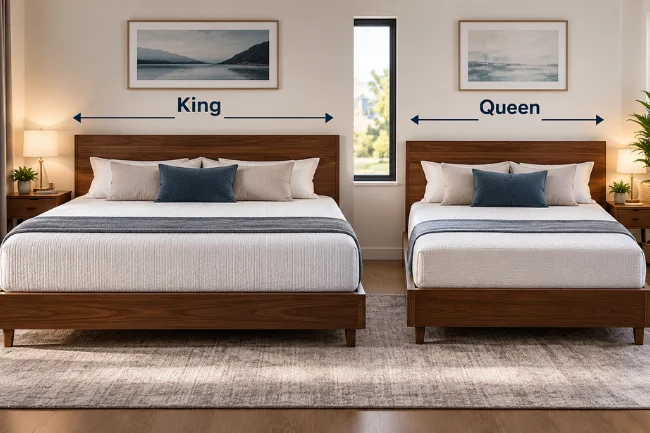
Perhaps one of the first and most important decisions to make is defining the size of the mattress. One typical and first decision that you go through while choosing a mattress is whether to go for a king or queen-size bed, but which one is great for you?
King or Queen Size: The king-size provides maximum all-round comfort; it is one of the best sizes one can think of. Measuring 76 inches wide by 80 inches long implies that it will be suitable for couples who require just a bit more space or for those who just want the space. A queen-size bed is popular among couples who want something not as open as an air mattress or among people who seek space and do not want to overpay.
Mattress Firmness: Find the Right Level of Comfort: It is very important to find the right firmness level when intending to get a good night’s sleep. There are different individuals in the world and different body weights, sleeping postures, and even people’s comfort zones.
- Soft: Best suited for side sleepers since they require some firm support for the hips and the shoulders.
- Medium: A good option for all kinds of sleepers, especially those who prefer to rest on their back but still need some support.
- Firm: Good for stomach sleepers and for people who require additional support, for instance, if you have a backache or sleep on your stomach.
Other Factors to Consider: Apart from mattress size, type, and firmness, there are just a few other key things to consider as you make your decision.
- Cooling Technology: If you sweat a lot at night, then avoid using mattresses that trap heat and instead get mattresses that have some form of heat dissipation, such as a crate or cooling materials.
- Motion Isolation: Couples specifically need to consider motion isolation. Isolation allows the couple not to notice the movement of the other partner; for instance, if one is sleeping and the other is rolling around on the bed, the former cannot feel it. This is usually an area where memory foam and hybrid mattresses have a good showing.
- Durability and Warranty: A mattress is a long-term investment product, and therefore, people should go for the best quality mattress. Most recommended brands should come with long warranty agreements of ten years or more to cover the purchase.
Conclusion
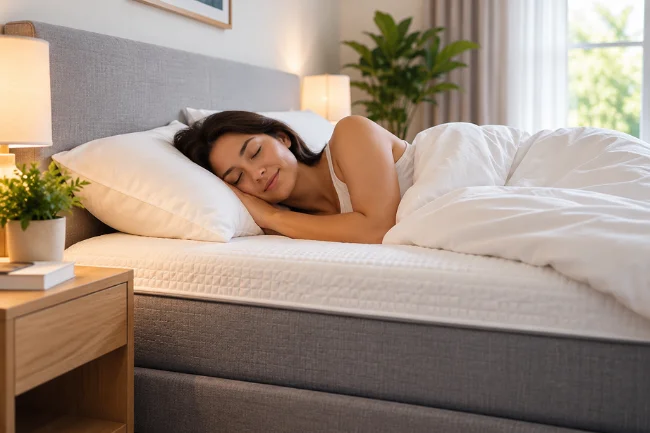
The dream mattress offers you comfortable and rejuvenated sleep each time you go to sleep. It is not a wise idea to make a hasty decision when it comes to furniture, and do not miss out on home trials.
Spending some time to select a good mattress will offer good health for many years to come to those who make the correct choice. A good mattress is the starting point in your quest for good sleep; select carefully, and you will count the days of satisfactory sleep.

Daniel Brooks is a Healthy Home and Living Content Researcher at Wellbeing Junction with 5+ years of experience researching and writing about home safety, comfortable living environments, accessibility, everyday maintenance, and practical improvements that support healthier lifestyles. He focuses on clear, useful, and well-researched guidance that helps readers create safer and more supportive living spaces.