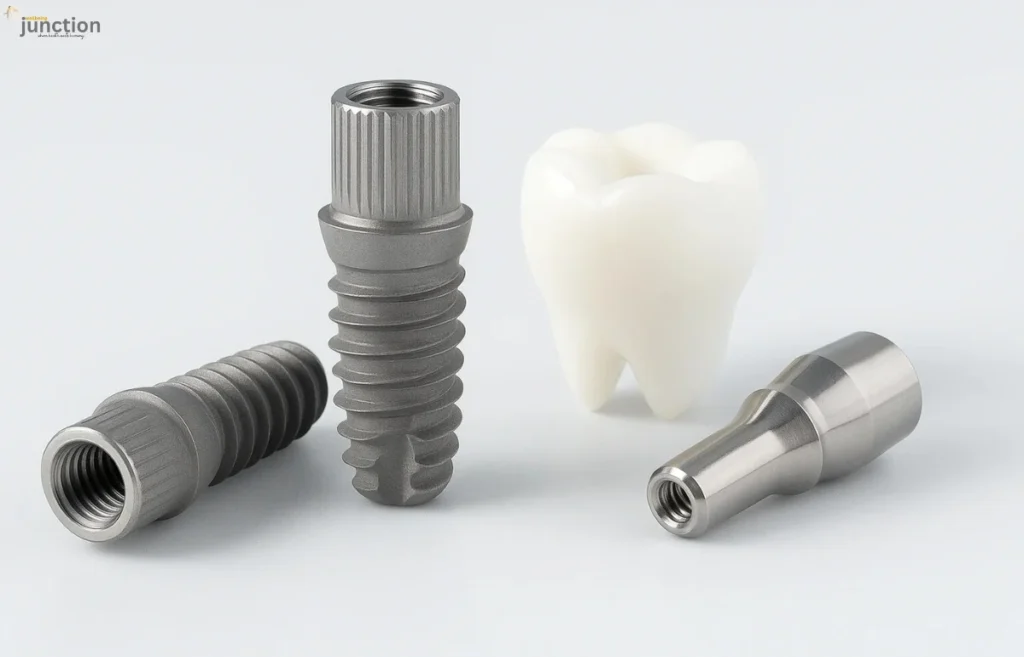
Dental practices and laboratories know the pressure of balancing costs with quality. With branded implant systems charging premium prices, many clinics are looking for smarter ways to maintain standards without stretching budgets. That’s where compatible dental components come in.
OEM manufacturing has reshaped the supply chain by offering implants, abutments, and accessories that integrate seamlessly with leading systems — at a fraction of the cost. For distributors, labs, and clinicians, this shift means more flexibility and stronger margins.
In modern implantology, efficiency is just as important as precision. Components engineered for internal hex and conical platforms allow labs and clinicians to work across different systems without being tied to one manufacturer.
Compatibility delivers:
Reduced inventory costs by avoiding system-specific stockpiling.
More flexibility when managing patient cases across different implant platforms.
Confidence that components are manufactured with strict tolerances to ensure fit and function.
How OEM Components Keep Costs Down
OEM suppliers operate differently from big brands. Instead of focusing on marketing overhead, they invest in production efficiency and bulk pricing. This allows them to deliver parts manufactured with Titanium Grade 5, stainless steel, and PEEK at globally recognized standards — but at prices that labs and clinics can actually scale with.
For B2B buyers, that translates into:
Higher margins on every restoration.
Predictable lead times and easier planning.
Room to reinvest savings into new services or equipment.
The Role of Private Labeling
For distributors, compatible components are more than just cost-savers — they’re a growth opportunity. With private label services, it’s possible to launch a branded line of implants or abutments, complete with packaging, catalogs, and marketing support. This strengthens brand identity and builds loyalty, turning generic supplies into premium offerings.
Final Takeaway
The future of dental supply isn’t about paying more for logos — it’s about sourcing components that are engineered to perform, priced for scalability, and flexible enough to fit real-world workflows. For labs, clinics, and distributors, compatible components make business sense.
Maya Ellison is a Dental Health Content Researcher at Wellbeing Junction with 4+ years of experience researching and writing consumer-focused oral health content. She covers preventive dental care, oral hygiene, common dental treatments, and everyday dental concerns, with a focus on presenting evidence-informed information in clear, practical language.
Maya Ellison is a Dental Health Content Researcher at Wellbeing Junction with 4+ years of experience researching and writing consumer-focused oral health content. She covers preventive dental care, oral hygiene, common dental treatments, and everyday dental concerns, with a focus on presenting evidence-informed information in clear, practical language.