Losing a tooth can impact daily life in several ways. It may change how you eat, speak, and feel about your smile. Dental implant surgery provides a dependable, long-term option for replacing missing teeth while supporting oral health. If you are exploring your options, understanding the process can help you feel more confident and at ease.
What Is Dental Implant Surgery?
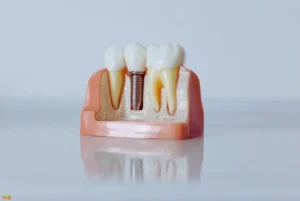
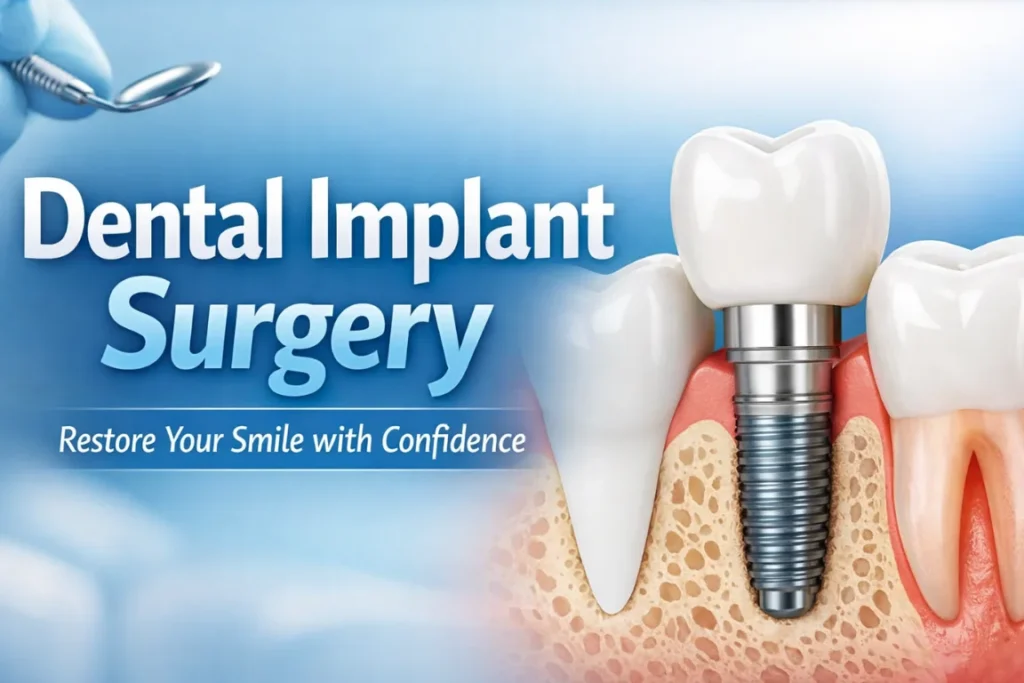
Dental implant surgery replaces a missing tooth by placing a small metal post directly into the jawbone. This post works like a tooth root. When healing is complete, the implant allows for the placement of a crown, bridge, or denture.
Most implants are made from titanium, which bonds well with bone and is commonly used in medical procedures. Once healed, the implant stays firmly in place and functions like a natural tooth. Unlike removable dentures, implants stay stable and do not move or slip.
Why Many Patients Choose Dental Implants
Dental implant surgery helps protect the jawbone after tooth loss. Without a tooth, the bone in that area can weaken over time, but implants stimulate the bone and help maintain its strength.
Implants also provide stability because they do not rely on neighboring teeth for support. This helps protect surrounding teeth and maintain overall oral health. When cared for correctly, dental implants offer a durable and dependable solution.
Who May Be a Good Candidate?
Many adults can benefit from dental implant surgery, but each case is unique. A good candidate has healthy gums and enough jawbone to support the implant. If bone loss has occurred, additional treatments such as bone grafting may be recommended before implant surgery.
Your physical health can influence the outcome. Factors like tobacco use and unmanaged diabetes can affect how quickly the body heals. A dental exam helps decide if dental implant surgery is safe and appropriate for you.
Steps Involved in Dental Implant Surgery

Dental implant surgery is typically completed in stages rather than a single visit. This step-by-step approach supports healing and long-term success. Below is a simplified explanation of the procedure stages:
1- Consultation and Planning
Your dentist or implant specialist reviews your dental and medical history and takes detailed images, such as X-rays or 3D scans. These details support planning a treatment approach unique to you.
2- Preparing the Site
If a damaged or failing tooth is still present, it may be removed first. When the jawbone is not strong or thick enough, a bone graft may be recommended to provide support for the implant.
3- Placing the Dental Implant
During surgery, a small post is placed into the jawbone where the missing tooth was. Anesthesia is used to keep you comfortable during this step.
4- Healing and Osseointegration
After placement, the jawbone gradually bonds with the implant in a process called osseointegration. This healing phase usually takes several weeks to a few months and is critical for long-term stability.
5- Attaching the Abutment and Crown
After the implant has fully healed, a connector called an abutment is secured to the post. A custom crown is then placed on top, restoring both the look and function of a natural tooth.
Recovery and Care After Dental Implant Surgery

Recovery from dental implant surgery is often manageable. Minor tenderness or swelling may develop but typically fades within a few days. These symptoms usually improve with rest, proper care, and recommended medications.
During the early healing period, it is recommended to eat soft foods. Maintaining good oral hygiene—regular brushing, flossing, and dental checkups—is essential to protect both the implant and surrounding gums. With consistent care, dental implants can function just like natural teeth.
Dental Implants Compared to Alternative Tooth Replacement Methods
Dental implant surgery offers strong support when chewing and speaking. Implants closely match natural teeth and remain firmly in place. They also help keep your facial shape by supporting the jawbone.
Other tooth replacement options may need adjustments or replacements over time. Many patients prefer this option because it offers long-term stability and comfort.
Moving Forward With Confidence
Choosing dental implant surgery is a meaningful step toward restoring your smile and oral health. With clear information and professional guidance, many patients find this treatment both reassuring and rewarding. If you are considering tooth replacement, learning more about your options can help you make a confident, informed decision for your future smile.

Maya Ellison is a Dental Health Content Researcher at Wellbeing Junction with 4+ years of experience researching and writing consumer-focused oral health content. She covers preventive dental care, oral hygiene, common dental treatments, and everyday dental concerns, with a focus on presenting evidence-informed information in clear, practical language.