You might wake up one morning with tender gums and wonder how it got to that point. There was no obvious moment that signaled something was wrong. For many people, gum problems develop quietly and are easy to overlook during daily brushing and flossing.
That is where a routine dental check-up comes in. It allows your dentist to assess what you cannot see on your own and catch concerns early. So how does that actually happen during a visit? Let’s walk through how these appointments help uncover gum disease before it becomes more serious.
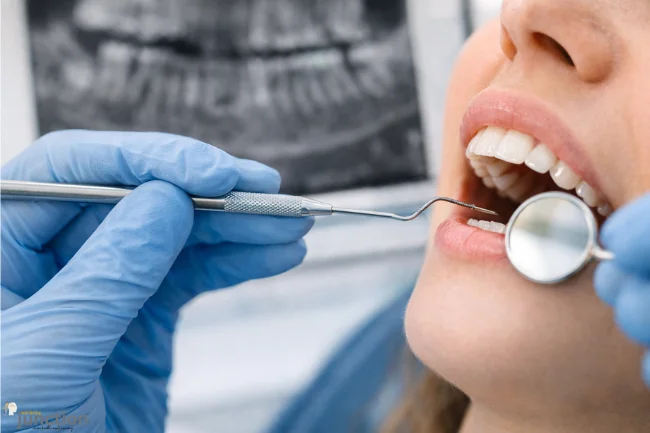
During an exam, your dentist pays close attention to subtle changes in your gums. Healthy tissue is usually firm and pale pink, while early irritation may appear in small but meaningful ways. They typically look for:
Redness or color changes
Mild swelling along the gumline
Bleeding during gentle examination
Puffiness around individual teeth
A professional evaluation also puts these findings into context. Your dentist can determine whether occasional sensitivity is temporary or linked to ongoing irritation. Repeated tenderness or bleeding may suggest plaque-related inflammation rather than a minor, short-lived reaction.
Measuring Gum and Bone Health Precisely
A dentist measures gum pocket depth with a periodontal probe to assess gum and bone health during a routine dental check-up.
To get a clearer picture of what is happening beneath the gumline, your dentist relies on specific measurements rather than appearance alone. One key tool is a periodontal probe, which measures pocket depth, or the space between the tooth and gum.
During this process, you may feel mild pressure as the probe is gently moved around each tooth. The sensation is usually not painful, and the exam is performed carefully to keep you comfortable. Deeper readings can signal separation beneath the surface, suggesting early structural changes around the tooth.
Beyond probing, your dentist evaluates overall stability by:
Checking attachment levels around each root
Reviewing imaging to assess supporting bone
Tracking Changes Over Time Consistently
Your oral health can shift gradually, which is why comparison matters. At each visit, your dentist logs measurements to create a reliable reference point. When those numbers are reviewed alongside past records, even small changes become easier to notice.
Looking at trends over time helps determine whether your gums are holding steady or starting to change. A single appointment offers a snapshot, but multiple visits reveal the bigger picture. This broader view supports more thoughtful clinical decisions. Based on these patterns, your dentist may recommend adjusting how often you return for care. Visit intervals are tailored to how stable or active your gum condition appears.
Connecting Oral Findings to Overall Health
Changes in gum tissue can sometimes reflect what is happening elsewhere in the body. During your visit, your dentist reviews your medical history and discusses conditions or medications that may influence healing and inflammation.
Certain factors can shape how your gums respond, including:
Diabetes or blood sugar concerns
Heart-related conditions
Immune system disorders
Medications that affect tissue response
When oral findings raise medical concerns, your dentist may suggest that you consult a physician. This collaborative approach ensures your treatment plan considers both your oral and general health.
Preventing Advanced Damage Proactively
Early gum treatment and professional deep cleaning help prevent advanced damage and protect long-term oral health.
When gum concerns are identified early, treatment tends to be simpler and less invasive. Instead of dealing with advanced tissue loss, your dentist can focus on preventing the problem from progressing. Taking action at this stage helps keep your teeth steady and your daily comfort intact.
With prompt attention, care often focuses on targeted steps such as:
After your evaluation, recommendations are based on what your gums actually need, not a one-size-fits-all plan. Your dentist will explain the findings and outline clear next steps. Care may begin with a focused professional cleaning to remove hardened buildup beneath the gumline. If more advanced concerns are detected, your dentist may refer you to a periodontist, a specialist trained in treating complex gum conditions.
You’ll also receive practical guidance to strengthen your everyday routine, such as:
Brushing twice daily with fluoride toothpaste
Cleaning between teeth with floss or interdental tools
Replacing your toothbrush regularly
Using antimicrobial rinses when appropriate
Prioritize Gum Health With Consistent Dental Check-Ups
Protecting your gums starts with understanding what is happening beneath the surface. A professional exam can uncover early changes, measure conditions you cannot see, and monitor subtle shifts over time. These insights help you make informed decisions before small concerns become more complicated.
Staying consistent with routine exams supports long-term comfort and keeps your teeth working the way they should. If it has been a while since your last dental check-up or you have noticed changes in your gums, contact a trusted dental clinic to schedule an appointment. A simple visit today can provide clarity, direction, and peace of mind about your gum health.
WELLNESS NOTESBetter Health
Simple weekly tips
WELLNESS UPDATES
Get Simple Wellness Ideas Every Week
Practical health, dental care, beauty, skin care, nutrition and personal growth tips delivered straight to your inbox.
No spam. Just useful wellness ideas and healthy living guidance.
Irfan Ali is the founder of Wellbeing Junction, where he specializes in synthesizing peer-reviewed research into actionable lifestyle guides. By bridging the gap between scientific data and daily habits, Irfan Ali provides evidence-based strategies for skin health, nutrition, and personal growth. Follow his work for trusted, human-first wellness advice.