
I’ve spent years testing, researching, and sometimes wasting money on Vegan Skin Care Products, and I’ve learned that not all “vegan” labels mean the same thing. Within the first few months of switching my routine away from animal-derived ingredients, I realized how much marketing noise exists—and how much better my skin responded once I learned how to read labels, understand formulations, and choose brands aligned with my values.
This guide is my personal, experience-driven take on vegan skincare: what it really is, how it differs from cruelty-free, what ingredients I actively look for (and avoid), and how I build a routine that actually works in real life.
Quick Summary
-
Vegan skin care products contain no animal-derived ingredients, but that alone doesn’t guarantee quality
-
Vegan and cruelty-free are related but not the same thing
-
Ingredient transparency matters more than brand buzzwords
-
Plant-based formulations can be incredibly effective when well-formulated
-
The best vegan skincare routine is simple, consistent, and suited to your skin type
What Vegan Skin Care Products Actually Are (And What They Aren’t)
I used to think vegan skincare simply meant “no animal testing.” That assumption cost me time and money.
Vegan vs. Cruelty-Free: A Critical Distinction
Here’s how I now define it based on years of trial and error:
-
Vegan skin care products: contain zero animal-derived ingredients
-
Cruelty-free products: not tested on animals (but may still contain animal byproducts)
A product can be cruelty-free and still contain beeswax, lanolin, collagen, or carmine. Conversely, a product can technically be vegan but sold in markets where animal testing is required by law.
This is why I always look for both claims, verified by ingredient lists and brand transparency.
Common Animal-Derived Ingredients I Learned to Watch For
When I first went vegan with skincare, I didn’t realize how sneaky some ingredients were. These are the ones I now scan for automatically:
-
Lanolin (from sheep’s wool)
-
Beeswax / Propolis / Royal Jelly
-
Carmine (crushed beetles, often in tinted products)
-
Collagen (usually animal-sourced unless specified)
-
Squalene (animal-derived unless labeled plant-based)
Many vegan skin care products now use alternatives like squalane from olives, candelilla wax, or soy-based collagen analogs, which perform just as well when formulated properly.
Why I Committed Fully to Vegan Skin Care
My shift wasn’t overnight. It happened gradually, driven by three things: skin reactions, ethical clarity, and ingredient education.
My Skin Responded Better Than I Expected
This is personal experience, not a medical claim—but I noticed fewer clogged pores and less irritation once I cut out heavy animal waxes and fats. Plant oils like jojoba and hemp seed consistently felt lighter and more breathable on my skin.
Ethics Without Compromise
Knowing my skincare routine aligned with my values removed a subtle mental friction I didn’t realize I was carrying. Using vegan skin care products felt intentional rather than transactional.
Better Formulation Trends
Many newer vegan brands invest heavily in green chemistry, stability testing, and plant-derived actives. Some of the most elegant formulations I’ve used came from fully vegan labs.
The Core Ingredients I Trust in Vegan Skin Care Products
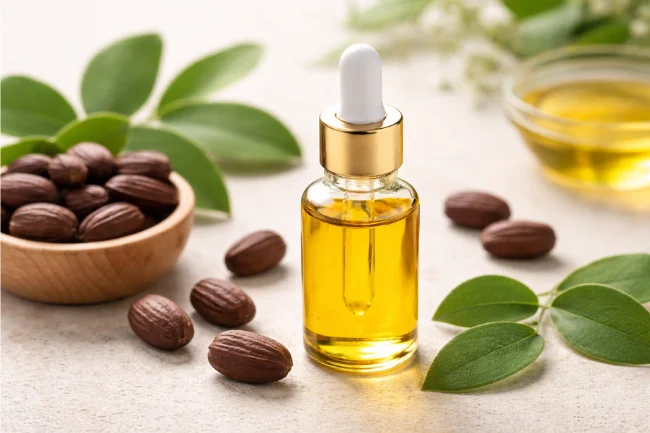
Not all plant-based ingredients are automatically good. Over time, I’ve developed a shortlist of ingredients that consistently perform for me.
Plant Oils That Actually Work
Jojoba Oil
Technically a wax ester, jojoba mimics natural sebum better than most oils I’ve tried.
Squalane (Plant-Derived)
Lightweight, non-greasy, and incredibly versatile for all skin types.
Rosehip Seed Oil
Rich in naturally occurring antioxidants and fatty acids. I use it sparingly, usually at night.
Vegan Actives I’ve Used Long-Term
-
Niacinamide (synthetically produced, vegan-friendly)
-
Bakuchiol (plant-derived alternative to retinol)
-
Azelaic Acid (lab-synthesized, vegan)
-
Vitamin C derivatives (check source, but many are vegan)
If you’re curious about how bakuchiol compares to retinol in published research, the British Journal of Dermatology has a well-cited comparison study that helped shape my early decisions (source: https://onlinelibrary.wiley.com/).
Comparing Vegan vs. Conventional Skin Care Products
Here’s a breakdown based on my personal testing and ingredient analysis over time:
Table 1: Ingredient & Performance Comparison
This isn’t about one being universally better—it’s about intentional formulation.
How I Build a Vegan Skin Care Routine That Works
I don’t believe in 12-step routines. Mine is structured, flexible, and boring in the best way.
Morning Routine (My Actual Daily Use)
Cleanser
A gentle, sulfate-free vegan cleanser with glycerin and mild surfactants.
Serum
Usually niacinamide or vitamin C, depending on how my skin feels.
Moisturizer
Lightweight lotion with squalane and ceramides (plant-derived).
Sunscreen
Yes, vegan sunscreens exist—but you must check filters and testing policies carefully.
Evening Routine
Cleanse
Same cleanser. I don’t rotate unless my skin asks for it.
Treatment
Bakuchiol or azelaic acid, alternating nights.
Moisturize
Slightly richer cream with shea butter alternatives or oat-derived lipids.
Weekly Extras
-
Clay mask (once a week)
-
Gentle exfoliation (once every 7–10 days)
Product Categories Where Vegan Matters Most
Some product types make vegan formulation easier than others.
Table 2: Vegan Suitability by Product Type
This table reflects where I’ve had the most trouble finding options that truly align with vegan skin care standards.
What I Learned Firsthand
This section exists because theory only goes so far.
I learned that price doesn’t predict performance. Some of the most expensive vegan skin care products underperformed compared to mid-range brands that invested more in formulation than packaging.
I also learned that ingredient sourcing matters more than ingredient lists alone. Two products can list “squalane” and feel completely different based on purity, processing, and supporting ingredients.
Most importantly, I learned to stop chasing perfection. My routine isn’t 100% trendy or influencer-approved—but my skin is calm, predictable, and resilient, which matters more to me than novelty.
Mistakes I See People Make With Vegan Skin Care Products
I made most of these myself.
Assuming Natural Equals Gentle
Some plant extracts are extremely irritating. Vegan doesn’t mean soothing by default.
Ignoring Preservation Systems
A product can be vegan and still unstable or poorly preserved. That’s a dealbreaker for me.
Overloading on Oils
Plant oils are great—but balance matters. Too much of a good thing still clogs pores.
How I Evaluate a Vegan Skin Care Brand
Before buying, I ask myself:
-
Do they disclose full INCI ingredient lists?
-
Are animal-derived ingredients clearly excluded?
-
Do they explain sourcing, not just philosophy?
-
Is the brand consistent across regions?
If I can’t answer those questions within five minutes on their site, I move on.
The Future of Vegan Skin Care Products
From what I’m seeing, vegan skincare is no longer a niche—it’s becoming the testing ground for formulation innovation. Lab-grown actives, fermentation-derived ingredients, and biotech lipids are pushing performance forward without relying on animals at all.
That’s the direction I’m personally excited about, and it’s why I continue refining my routine rather than reverting back.
Final Thoughts and Next Step
Vegan skin care products work best when they’re chosen with intention, not ideology alone. My advice is simple: start with one product swap, pay attention to how your skin responds, and build from there.
Next Step: Choose one product you use daily—cleanser or moisturizer—and replace it with a genuinely vegan alternative that prioritizes formulation over marketing.
FAQs
What makes a skin care product truly vegan?
A product is vegan when it contains no animal-derived ingredients and avoids animal-based processing aids.
Are vegan skin care products suitable for sensitive skin?
In my experience, many are—but sensitivity depends more on formulation than vegan status alone.
Is vegan skincare always cruelty-free?
Not automatically. You need to verify both claims separately.
Can vegan skin care products be anti-aging?
They can support skin health and appearance through antioxidants and barrier support, based on personal use and ingredient research.
How can I verify if a brand is genuinely vegan?
Check full ingredient lists, brand statements, and third-party certifications when available.
Disclaimer:
This article reflects my personal experience, independent research, and opinions on vegan skin care products. It is shared for informational purposes only and should not be taken as professional, medical, or dermatological advice. Skin responses vary from person to person, so always review ingredient lists carefully and make choices that feel right for your own skin and values.
For More Reading: Blazertje: Your Ultimate Guide to Timeless Style

