

Japanese skincare brands have earned global respect not because of flashy promises, but because they quietly deliver results. Rooted in centuries-old beauty rituals, modern science, and a “less is more” philosophy, Japanese Skincare Brands focus on prevention, skin health, and long-term consistency rather than quick fixes.
If you’ve ever wondered why J-beauty products are so trusted, or which brands are actually worth your time, this guide will walk you through everything you need to know—clearly, honestly, and without the hype.
What Makes Japanese Skincare Brands So Different?
At the heart of Japanese skincare is a philosophy that views skincare as daily self-care, not a corrective treatment. Instead of aggressively targeting problems, Japanese brands prioritize gentle formulations that support the skin barrier, maintain hydration, and age gracefully.
Japanese beauty culture emphasizes:
-
Consistent routines over dramatic transformations
-
Prevention instead of damage repair
-
Lightweight layers rather than heavy, occlusive products
This approach has been shaped by cultural traditions, dermatological research, and strict cosmetic regulations in Japan, which require brands to meet high safety and efficacy standards (Japan Ministry of Health, Labour and Welfare).
Key Takeaways from This Section
-
Japanese skincare focuses on prevention and long-term skin health.
-
Gentle formulations protect the skin barrier rather than stripping it.
-
Layering light products is preferred over heavy creams.
-
J-beauty blends traditional ingredients with modern science.
-
Strict regulations ensure high safety and quality standards.
The Core Philosophy Behind J-Beauty
Minimalism with Purpose
Unlike multi-step routines that overwhelm the skin, Japanese skincare routines are typically simple and intentional. Every product has a clear function—cleanse, hydrate, protect.
Respect for the Skin Barrier
Japanese skincare brands are especially careful about preserving the skin’s natural moisture barrier. This is why you’ll see fewer harsh exfoliants and more hydrating lotions (known as kesho-sui).
Long-Term Results Over Instant Gratification
Rather than promising overnight miracles, J-beauty products are designed to improve skin texture, clarity, and resilience over time.
Traditional Ingredients That Power Japanese Skincare Brands
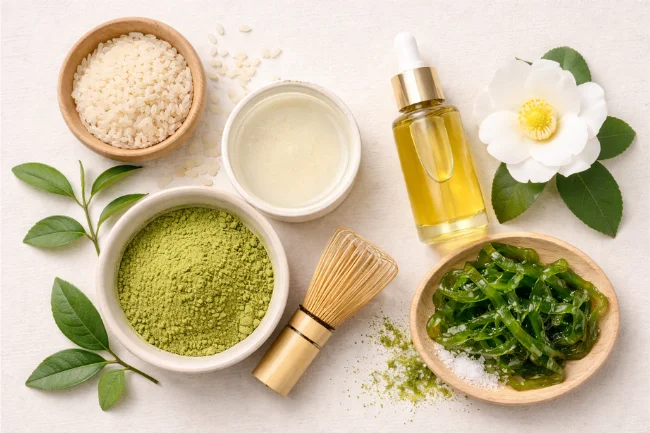
Japanese skincare brands often rely on time-tested ingredients that have been used for generations, now supported by scientific research.
Rice Extract
Rice has been a beauty staple in Japan for centuries. Rich in amino acids and antioxidants, it helps brighten skin and improve elasticity. Brands like SK-II have built entire product lines around fermented rice (pitera).
Green Tea (Matcha)
Known for its anti-inflammatory and antioxidant properties, green tea helps calm irritation and protect against environmental stressors.
Camellia Oil (Tsubaki)
This lightweight oil is deeply moisturizing and rich in oleic acid, making it ideal for dry or sensitive skin.
Seaweed and Algae
Marine ingredients are commonly used for hydration, detoxification, and mineral support.
Popular Japanese Skincare Brands and What They’re Known For
The Japanese skincare market ranges from luxury brands with over a century of history to affordable drugstore staples trusted by millions.
High-End Japanese Skincare Brands
-
Shiseido – One of the oldest cosmetic companies in the world, known for advanced research and elegant formulations.
-
SK-II – Famous for Pitera™, a fermented yeast extract that supports skin renewal.
-
Decorté – Focuses on skin microbiome balance and hydration.
Mid-Range and Accessible Brands
-
Hada Labo – Known for hyaluronic acid-rich lotions that deliver intense hydration without irritation.
-
Albion – Emphasizes skin softening and absorption techniques.
Drugstore Favorites
-
DHC – Popular for its olive oil cleanser and gentle formulas.
-
Curel – Dermatologist-recommended for sensitive and eczema-prone skin.
Comparison Table: Well-Known Japanese Skincare Brands
Japanese Skincare Routine: How It Typically Works
Japanese skincare brands encourage routines that are simple yet effective.
Double Cleansing
This method starts with an oil cleanser to dissolve sunscreen and makeup, followed by a gentle foaming cleanser to remove impurities.
Hydrating Lotion (Not a Toner)
In J-beauty, lotions hydrate rather than strip the skin. They prepare the skin to absorb moisture.
Essence or Serum
These deliver targeted ingredients like antioxidants, brighteners, or anti-aging compounds.
Moisturizer
Lightweight creams or emulsions seal in hydration without clogging pores.
Sun Protection
Sun protection is non-negotiable. Japanese sunscreens are known for their elegant textures and high UVA protection, often outperforming Western formulas (American Academy of Dermatology, UV research comparisons).
How Japanese Skincare Brands Compare to Korean and Western Brands
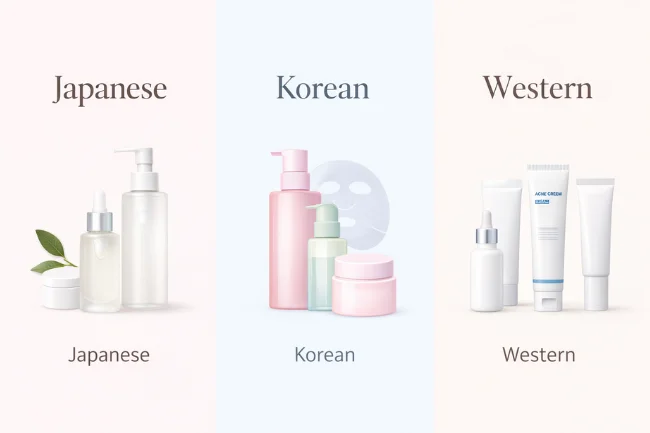
Japanese skincare brands are often compared to Korean beauty, but their philosophies differ.
-
Japanese skincare prioritizes simplicity and prevention.
-
Korean skincare often emphasizes innovation and trend-driven routines.
-
Western skincare tends to focus on treatment-based solutions, such as retinoids or acids.
None is inherently better; the right choice depends on your skin goals and tolerance.
Are Japanese Skincare Brands Suitable for All Skin Types?
One of the biggest strengths of Japanese skincare brands is their adaptability. Because formulas are generally gentle and fragrance-light, they work well for sensitive skin. However, those seeking aggressive acne treatments or fast exfoliation may need to supplement with targeted products.
Sustainability and Ethics in Japanese Skincare
Many Japanese skincare brands are increasingly focused on sustainability, refillable packaging, and responsible sourcing. Shiseido, for example, has published sustainability roadmaps aligned with global environmental standards (Shiseido Group Sustainability Report).
FAQs About Japanese Skincare Brands
Conclusion: Is Japanese Skincare Worth Trying?
Japanese skincare brands offer a refreshing alternative in a world obsessed with instant results. Their focus on skin health, gentle care, and consistency makes them especially valuable for anyone looking to build a sustainable, long-term skincare routine. If you’re ready to simplify your regimen and invest in products that respect your skin rather than fight it, exploring Japanese skincare brands is a smart next step. Start with a hydrating lotion or sunscreen—and let patience do the rest.
For More Reading: Dollar Tree Skincare: What’s Worth Buying & What to Avoid

