
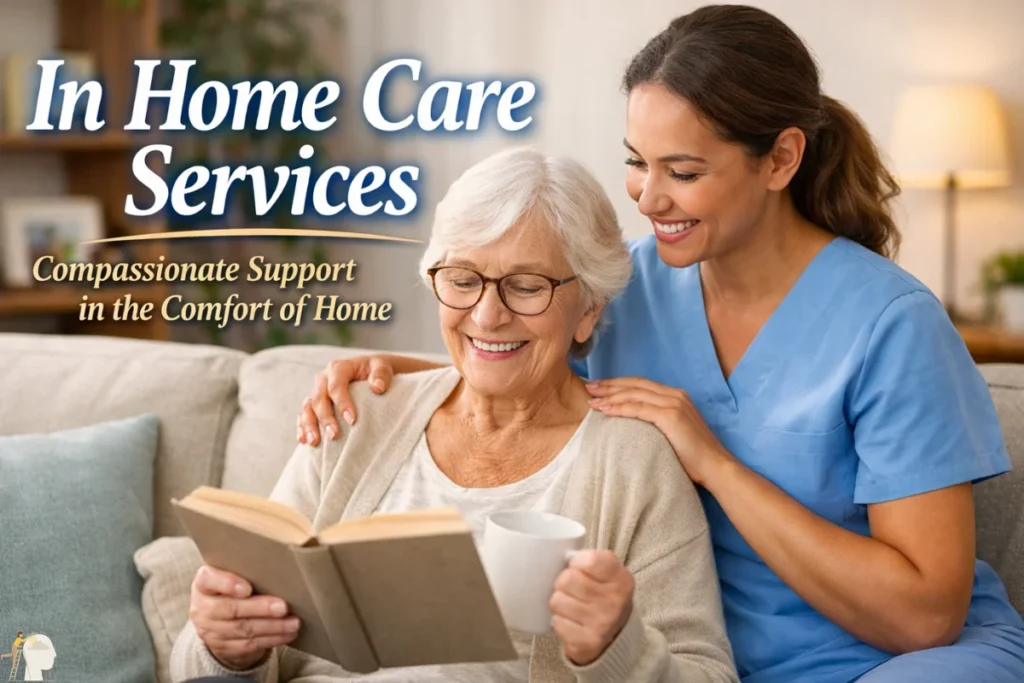
For millions of individuals and their families across the country, the concept of aging in place or recovering from an illness at home is not just a preference—it’s a deeply held value. The desire to maintain independence, dignity, and comfort within the familiar surroundings of one’s own home is a powerful motivator. This is where professional in home care services become an essential consideration.
These services provide a bridge, enabling individuals with varying needs to live safely and meaningfully in their preferred environment. This guide offers a detailed exploration of what modern in home care services entail, the different types available, and key factors for families to consider when navigating this important decision.
Understanding the Spectrum of In Home Care Services
In home care services is a broad term that encompasses a range of non-medical and medically oriented support provided in a person’s residence. The core principle is to deliver personalized assistance that meets the unique physical, emotional, and social needs of the client. It’s crucial to distinguish between the two primary categories, as they serve different purposes and involve different types of caregivers.
Non-Medical or Personal Care Assistance
This type of care focuses on activities of daily living (ADLs) and instrumental activities of daily living (IADLs). Its goal is to support independence and quality of life. Caregivers, often referred to as home health aides, personal care attendants, or companions, are typically certified but do not perform medical tasks. Services include:
-
Personal Care: Assistance with bathing, grooming, dressing, toileting, and mobility.
-
Homemaking: Light housekeeping, laundry, meal planning and preparation, and running errands.
-
Companionship: Social interaction, conversation, engagement in hobbies, and transportation to appointments or social events.
-
Respite Care: Temporary relief for primary family caregivers, allowing them time to rest and attend to their own needs.
Skilled Medical or Home Health Care
This care is prescribed by a physician and delivered by licensed medical professionals, such as registered nurses (RNs), licensed practical nurses (LPNs), or physical, occupational, and speech therapists. It is often short-term and focused on recovery, rehabilitation, or managing a specific medical condition. Services are typically covered by Medicare, Medicaid, or private insurance under specific conditions. They include:
-
Nursing Care: Wound care, administering injections, monitoring vital signs, managing catheters, and providing patient education.
-
Therapy Services: Physical therapy for mobility recovery, occupational therapy for relearning daily tasks, and speech-language pathology for communication or swallowing issues.
-
Medical Social Work: Assessing psychosocial needs and connecting patients with community resources.
Who Benefits from In Home Care Services?

The need for in home care services can arise from a variety of life circumstances. It is not solely for the elderly, though they represent a significant portion of clients.
-
Seniors Aging in Place: Older adults who wish to remain at home but need help with daily tasks, medication reminders, or companionship to do so safely.
-
Individuals Recovering from Surgery or Illness: Someone discharged from a hospital or rehab facility who needs short-term skilled nursing or therapy to fully recover.
-
People with Chronic Conditions: Those managing illnesses like heart disease, diabetes, COPD, or dementia who require ongoing monitoring and daily support.
-
Adults with Disabilities: Individuals with physical or developmental disabilities who need assistance to live independently.
-
Families Needing Respite: Primary caregivers, often family members, who require scheduled breaks to prevent burnout and maintain their own well-being.
Key Considerations When Choosing a Provider
Selecting the right in home care services provider is a significant decision. A methodical approach can help families find a reputable and compatible partner in care.
Assessing Needs and Creating a Care Plan
The first step involves a clear, honest assessment of the individual’s needs. What specific tasks require assistance? How many hours per day or week are needed? Is there a need for medical expertise, or is personal care sufficient? A reputable agency will conduct a complimentary in-home assessment to discuss these needs, answer questions, and develop a written plan of care that outlines the specific services to be provided.
Agency vs. Private Hire: Weighing the Options
Families generally have two main pathways: hiring through a licensed home care agency or privately hiring an independent caregiver. Each has distinct advantages and considerations.
Comparing Agency-Provided vs. Privately Hired In Home Care
| Feature | Agency-Provided Care | Privately Hired Caregiver |
|---|---|---|
| Screening & Background Checks | The agency is responsible for thorough vetting, including criminal background checks, reference verification, and credential validation. | The hiring family assumes full responsibility for conducting comprehensive background checks and verifying experience. |
| Training & Supervision | Caregivers are typically employees of the agency, which provides training, ongoing supervision, and performance management. | Training and supervision are the sole responsibility of the hiring family. |
| Scheduling & Backup | The agency manages schedules and provides substitute caregivers if the primary caregiver is sick or on vacation, ensuring continuity of care. | The family must handle all scheduling and find replacements during the caregiver’s absence, which can lead to gaps in care. |
| Payroll, Taxes & Insurance | The agency handles all payroll processing, tax withholdings, and carries liability insurance and workers’ compensation for its employees. | The family becomes the employer, responsible for all payroll taxes, legal filings, and securing appropriate insurance, which carries significant legal and financial risk. |
| Cost Structure | Typically higher hourly rates, as the agency’s fee covers its administrative responsibilities, insurance, and backup coverage. | Often a lower direct hourly wage, but with hidden costs and risks related to taxes, insurance, and liability. |
Verifying Credentials and Compatibility
For agencies, verify their state licensure (if required in your state) and ask about their hiring criteria, training programs, and supervision process. For any caregiver, whether from an agency or private hire, a meet-and-greet with the client is crucial. The caregiver’s personality, experience, and communication style should be a good match for the individual receiving care. Trust and rapport are foundational to a successful care relationship.
The Financial Aspect of In Home Care
Understanding the costs and potential funding sources is a practical necessity. In home care services are generally paid for out-of-pocket, but several resources can help offset the expense.
-
Private Pay: The most common method, where families pay directly for services.
-
Long-Term Care Insurance: Many policies cover in home care services. It is essential to review the policy’s specific terms, benefit triggers, and daily or monthly limits.
-
Veterans Benefits: The VA Aid and Attendance pension benefit may provide funds for veterans and surviving spouses who require assistance with daily activities.
-
Medicaid: For those who qualify, Medicaid programs (often called Home and Community-Based Services waivers) may cover personal care services. Eligibility and benefits vary significantly by state.
-
Medicare: It’s important to note that traditional Medicare does not pay for long-term, non-medical in home care services. It will only cover intermittent, physician-ordered skilled home health care for a limited time under specific conditions.
The Impact on Quality of Life and Family

The benefits of professional in home care services extend far beyond practical task completion. A quality care arrangement can profoundly impact the holistic well-being of both the client and their family, providing a foundation of comprehensive support at home.
-
Promoting Independence: By providing targeted support at home, caregivers enable individuals to maintain control over their daily lives and routines within their own homes for as long as safely possible.
-
Enhancing Safety and Well-being: Professional caregivers are trained to identify fall risks, monitor for changes in condition, and ensure medications are taken correctly, creating a safer living environment.
-
Providing Social and Emotional Support: Loneliness and isolation can have severe health consequences. A consistent, compassionate caregiver provides companionship, mental stimulation, and emotional connection, which are vital components of holistic support at home.
-
Reducing Family Caregiver Stress: For adult children or spouses acting as primary caregivers, professional services provide crucial relief. This respite can prevent burnout, reduce stress, and allow family relationships to focus more on emotional connection rather than constant caregiving duties. This model of shared care ensures sustainable support at home for everyone involved.
Organizations worldwide emphasize the importance of this integrated approach. For example, Home Care Assistance outlines a model of comprehensive support at home that aligns with these core principles of personalized, client-centered care aimed at improving overall well-being.
Recognizing and Preventing Caregiver Burnout
Family caregiver burnout is a serious and common issue characterized by exhaustion, anxiety, and depression. Engaging in home care services, even for a few hours a week, provides scheduled respite. This allows family caregivers to recharge, attend to their own health, and maintain their personal and professional lives, ultimately making them better, more present caregivers during the time they do provide care.
Navigating Difficult Transitions
Introducing an outsider into the home can be met with resistance, especially from an individual who values their independence. Communication is key. Frame the decision as a way to support their goal of staying at home. Involve them in the selection process where possible, start with a few hours to allow for adjustment, and choose a caregiver whose personality is a genuine fit. Patience and reassurance are essential during this transition.
FAQs About In Home Care Services
What is the difference between home care and home health care?
Home care refers to non-medical assistance with daily living activities (personal care, companionship, homemaking). Home health care involves skilled medical services (nursing, therapy) prescribed by a doctor for treatment or rehabilitation. Both are forms of in home care services, but they address different needs.
How quickly can in home care services start?
Many reputable agencies can initiate services within 24 to 48 hours following an initial assessment, especially for non-medical care. For physician-ordered home health care, the start timeline depends on the physician’s orders and the agency’s scheduling. For private hires, the process may take longer due to the need for interviewing, background checks, and contract setup.
Can caregivers provide transportation?
Yes, most non-medical in home care services include transportation assistance. Caregivers can drive clients in the client’s own vehicle (pending insurance verification) or accompany them in a taxi or ride-share service to medical appointments, the pharmacy, grocery store, or social outings.
What happens if my scheduled caregiver is sick or on vacation?
A key advantage of working with an established agency is its responsibility to provide a qualified replacement caregiver to ensure no lapse in service. When privately hiring, this responsibility falls entirely on the family to arrange backup care, which is a significant consideration.
How are care plans updated as needs change?
Needs inevitably change over time. A professional agency will regularly communicate with the family and client, and formally reassess the care plan at scheduled intervals (e.g., every 90 days) or whenever a significant change in condition occurs. Families should maintain open communication with the agency or private caregiver to promptly address any evolving needs.
Exploring in home care services is a proactive step toward preserving autonomy and enhancing the quality of life for a loved one. It represents a partnership—one that combines professional support with the irreplaceable value of family and home.
By thoroughly understanding the types of care available, carefully vetting providers, and clearly defining needs and expectations, families can make an informed choice that brings peace of mind, safety, and comfort to all involved.
For those beginning this journey, the next step often involves contacting a few licensed local agencies to request consultations and assessments, which provide a concrete starting point for crafting a personalized care solution.

