In today’s fast-paced world, maintaining a balanced diet can feel like an uphill battle. We’re constantly bombarded with processed foods, hectic schedules, and endless temptations that make it hard to prioritize health. Yet, nutrition remains the cornerstone of well-being, fueling our bodies with the essential building blocks needed for energy, immunity, and longevity.
Vitamins and minerals, those microscopic powerhouses, play pivotal roles in everything from bone health to cognitive function. But how do we ensure we’re getting enough without resorting to pills or complicated meal plans? Enter fruit smoothies: a delicious, convenient, and nutrient-packed solution that can transform your daily intake of these vital nutrients.
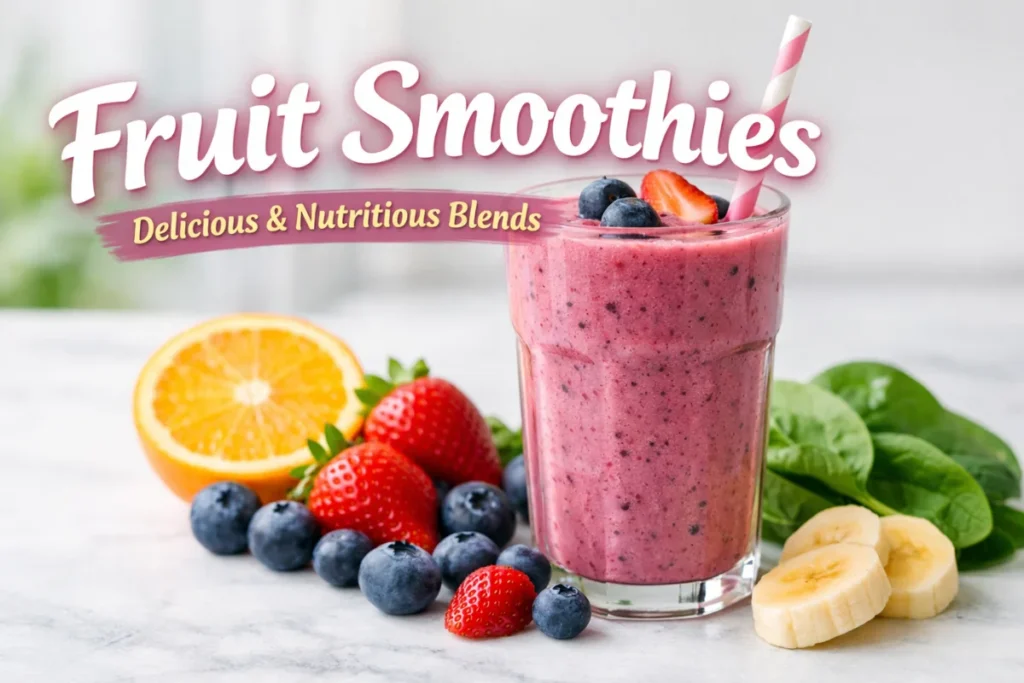
Imagine starting your day with a vibrant blend of berries, bananas, and spinach, whirred into a creamy delight. Not only do smoothies taste like a treat, but they also serve as an excellent vehicle for delivering a spectrum of vitamins and minerals directly to your system.
Smoothies made with a variety of fruits and vegetables can provide fiber, protein, healthy fats, and antioxidants, making them a superior choice for nutrient absorption. This blog explores the fundamentals of nutrition, the specific benefits of fruit smoothies, practical tips for making them, and why they might just be the game-changer your diet needs.
The Basics of Nutrition: Vitamins and Minerals Explained
Before diving into smoothies, let’s break down what we’re talking about. Vitamins are organic compounds essential for normal growth and nutrition, required in small quantities because the body can’t produce them sufficiently.
There are two types: fat-soluble (A, D, E, K) and water-soluble (B vitamins and C). Minerals, on the other hand, are inorganic elements like calcium, potassium, iron, and magnesium that support structural and regulatory functions in the body.
Why are they crucial? Vitamins like C boost immunity and aid in collagen production, while B vitamins help convert food into energy. Minerals such as potassium regulate blood pressure, and iron is vital for oxygen transport in the blood. Deficiencies can lead to issues like fatigue, weakened bones, or impaired cognitive health.
The problem is, modern diets often fall short. The average person consumes too few fruits and vegetables, missing out on these natural sources. Fruits, in particular, are treasure troves of these nutrients: oranges for vitamin C, bananas for potassium, and berries for antioxidants.
But eating whole fruits isn’t always practical. Busy mornings or on-the-go lifestyles mean we skip them altogether. This is where blending comes in—without destroying nutrients, as some myths suggest. Blending fruits in smoothies in the Outer Banks preserves their value, unlike juicing, which discards fiber. In fact, the right combinations can even enhance nutrient bioavailability.
Why Fruit Smoothies Excel at Delivering Vitamins and Minerals
Fruit smoothies shine because they allow for customization and concentration of nutrients in one easy-to-consume package. A single smoothie can pack in multiple servings of fruits (and veggies), far exceeding what you might eat whole. For instance, blending blueberries, apples, and grapes provides flavanols that support heart and brain health.
These bioactive compounds are more readily absorbed when fruits are blended, especially if you choose ingredients low in polyphenol oxidase, an enzyme that can degrade flavanols.
One major benefit is the boost to your immune system. Citrus fruits in smoothies deliver a hefty dose of vitamin C, which enhances iron absorption and wound healing. Berries like strawberries and blackberries add vitamin K, potassium, and fiber, fighting inflammation and disease.
Green smoothies, incorporating kale or spinach, amp up B vitamins, manganese, and calcium, aiding energy release and bone strength.Energy levels get a natural lift too. The carbs from bananas and berries, combined with vitamins and minerals, provide sustained fuel without the crash of sugary drinks.
For weight management, smoothies can replace meals when balanced with protein (like yogurt or nuts), helping control blood sugar and increase fiber intake—aim for 25-38 grams daily, easily achieved with high-fiber fruits like pears and apples.
Moreover, smoothies promote better digestion and heart health. The fiber from whole fruits slows digestion, lowers cholesterol, and supports gut health. Antioxidants in berries reduce inflammation, potentially warding off chronic conditions. Regular smoothie consumption can align with public health recommendations for fruit intake, making them a practical tool for overall wellness.
Crafting the Perfect Nutrient-Rich Smoothie
To maximize benefits, focus on variety and balance. Start with a base: water, almond milk, or yogurt for creaminess. Add 1-2 cups of fruits like bananas for potassium (about 400mg per banana), oranges for vitamin C (70mg per fruit), and berries for antioxidants. Include greens like spinach for iron and folate without overpowering the taste.
Here’s a simple recipe for a Vitamin C Powerhouse Smoothie:
- 1 orange (peeled)
- 1/2 cup strawberries
- 1 banana
- Handful of spinach
- 1 cup almond milk
- Optional: Chia seeds for omega-3s
Blend until smooth. This provides over 100% of your daily vitamin C, plus potassium and fiber. For an energy-boosting green smoothie:
- 1 apple
- 1 kiwi
- 1 cup kale
- 1/2 avocado for healthy fats
- Lemon juice for zest
This delivers vitamin A, K, and healthy monounsaturated fats. Tips: Use frozen fruits for thickness without ice; avoid added sugars to keep it healthy; and experiment with add-ins like protein powder for satiety.
Homemade versions trump store-bought, retaining more fiber and less free sugars. Blending doesn’t degrade nutrients significantly, preserving the goodness of whole foods.
Addressing Potential Downsides
No food is perfect. Smoothies can release natural sugars, potentially spiking blood sugar if overdone with high-glycemic fruits. Balance with proteins and fats to mitigate this. Also, while fiber remains, excessive blending might make digestion too easy, reducing the “chewing” benefit of whole fruits. Portion control is key—aim for 8-12 oz per serving to avoid calorie overload.
Dental health is another consideration; the acidity from fruits can erode enamel, so rinse with water after. If you have specific health conditions, consult a doctor, but for most, smoothies are a net positive.
Conclusion: Blend Your Way to Better Health
Fruit smoothies aren’t just a trend—they’re a smart, enjoyable way to amp up your vitamin and mineral intake. By incorporating a rainbow of fruits, you harness nature’s pharmacy for immunity, energy, and disease prevention. In a world where nutrition often takes a backseat, smoothies offer convenience without compromise. Start small: one a day, and watch your vitality soar. Whether you’re aiming for weight loss, better skin, or sustained energy, these blended wonders deliver. So grab your blender, stock up on fresh produce, and toast to healthier days ahead.