Walk into any Dollar Tree and, you’ll find shelves packed with cleansers, serums, face masks, and moisturizers—all for just a few dollars. It’s tempting, especially when skincare prices elsewhere keep climbing. But does Dollar Tree Skincare actually work, or is it a waste of money? The short answer: it depends on what you buy, how you use it, and what your skin actually needs.
In this guide, we’ll take a realistic, dermatologist-informed look at Dollar Tree skincare products, including ingredients, effectiveness, safety, and who they’re best suited for. This isn’t hype—and it isn’t fear-mongering either. It’s practical, honest skincare advice you can actually use.
Understanding Dollar Tree Skincare: What It Really Is
Dollar Tree Skincare refers to beauty and skincare products sold at Dollar Tree stores, typically priced at $1.25 or less. The retailer carries a wide selection of skincare essentials, including facial cleansers, moisturizers, serums, and face masks designed for everyday use rather than intensive treatments.
Source: https://www.dollartree.com/health-beauty-supplies/skincare
Most Dollar Tree skincare products fall into three categories:
-
Overstock or discontinued items from mainstream brands
-
Private-label or generic formulations made specifically for dollar stores
-
Simplified versions of popular skincare trends
The low price doesn’t automatically mean unsafe or ineffective—but it does mean compromises are made somewhere, often in packaging, ingredient concentration, or marketing rather than basic safety.
Key Takeaways
-
Dollar Tree skincare products are FDA-regulated, like all cosmetics sold in the U.S.
-
Many items are best for basic hydration, cleansing, or occasional use.
-
Ingredient lists matter more than brand names at this price point.
-
Sensitive or acne-prone skin requires extra caution.
-
Dollar Tree skincare works best as a supplement, not a full routine replacement.
Are Dollar Tree Skincare Products Safe?
FDA Oversight and Cosmetic Regulations
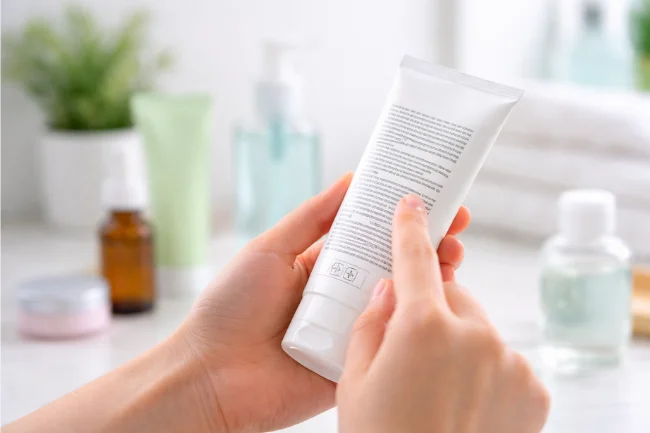
In the United States, all cosmetic products—including those sold at Dollar Tree—must comply with FDA cosmetic regulations. According to the U.S. Food and Drug Administration (FDA), cosmetic manufacturers are legally responsible for ensuring product safety before sale, regardless of price point.
However, the FDA does not pre-approve cosmetics (except color additives). That means safety largely depends on:
-
Ingredient quality
-
Manufacturing standards
-
Consumer patch testing
This is why reading labels is critical when shopping Dollar Tree skincare.
What Dermatologists Generally Agree On
Dermatologists often emphasize that simple formulations are safer than trend-heavy products. Board-certified dermatologists interviewed by publications like Healthline and Allure consistently note that fragrance-heavy or alcohol-rich products increase the risk of irritation, especially in low-cost skincare.
Ingredients to Look For (and Avoid)
Beneficial Ingredients Commonly Found
Surprisingly, many Dollar Tree skincare items contain well-known, dermatologist-approved ingredients:
-
Glycerin – A proven humectant that helps retain moisture
-
Aloe vera – Soothing and anti-inflammatory
-
Hyaluronic acid – Hydration support (usually low concentration)
-
Vitamin E (tocopherol) – Antioxidant and skin-conditioning agent
These ingredients are widely studied and appear in both budget and luxury skincare products.
Ingredients to Use with Caution
Not all Dollar Tree skincare is created equal. Some formulas may include:
-
Denatured alcohol high on the ingredient list
-
Synthetic fragrance (often listed as “fragrance” or “parfum”)
-
Harsh exfoliants like walnut shell powder
According to the American Academy of Dermatology (AAD), fragrance is one of the most common causes of cosmetic skin reactions.
Best Dollar Tree Skincare Products by Category
Cleansers and Face Washes
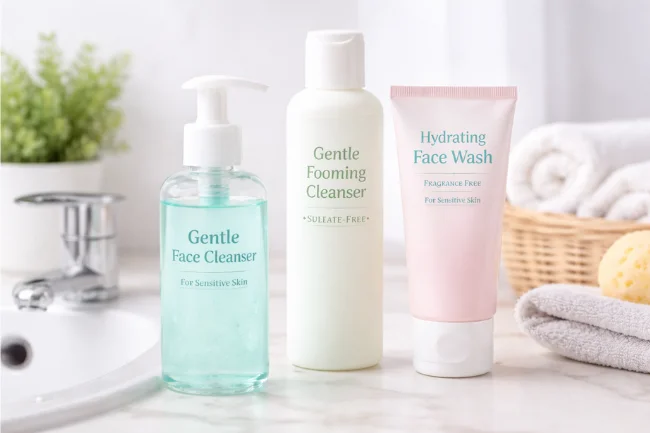
Gentle cleansers are one of the safest bets at Dollar Tree. Look for sulfate-free formulas labeled “gentle” or “for sensitive skin.” These work well as morning cleansers or secondary cleansers after makeup removal.
Moisturizers and Body Lotions
Dollar Tree moisturizers tend to perform better for the body than the face. Body lotions with glycerin, shea butter, or cocoa butter can be surprisingly effective for dry skin.
Serums and Treatments
This category is hit-or-miss. While you may find hyaluronic acid serums, they often contain low active concentrations. These are fine for extra hydration but shouldn’t replace medical-grade treatments.
Face Masks and Scrubs
Sheet masks and wash-off masks are popular, but they’re best used occasionally. Avoid physical scrubs if you have sensitive or acne-prone skin.
Dollar Tree Skincare vs. Drugstore Skincare
| Feature | Dollar Tree Skincare | Drugstore Skincare |
|---|---|---|
| Average Price | $1.25 or less | $5–$25 |
| Active Ingredient Strength | Low to moderate | Moderate to high |
| Fragrance-Free Options | Limited | Widely available |
| Best For | Basic care, travel, testing | Long-term routines |
| Risk of Irritation | Moderate | Lower with sensitive-skin lines |
This comparison highlights why Dollar Tree skincare works best as a supporting player, not the star of your routine.
Who Should (and Shouldn’t) Use Dollar Tree Skincare
Good Candidates
-
Beginners building a basic skincare routine
-
Teens with uncomplicated skin
-
People needing travel-size or emergency products
-
Budget-conscious shoppers focused on hydration
Use With Caution If You Have:
-
Rosacea
-
Active acne
-
Eczema or psoriasis
-
Known fragrance allergies
For these conditions, dermatologists recommend fragrance-free, clinically tested formulations—even if they cost more.
How to Build a Safe Dollar Tree Skincare Routine
Step 1: Patch Test Everything
Apply a small amount behind your ear or on your inner arm and wait 24 hours.
Step 2: Keep It Simple
Stick to cleanser + moisturizer. Add extras slowly.
Step 3: Avoid Over-Exfoliation
Cheap scrubs can damage the skin barrier when overused.
Step 4: Combine with Trusted Staples
Use Dollar Tree skincare alongside dermatologist-recommended products for balance.
What Experts and Studies Say
-
The FDA confirms that price does not determine cosmetic safety.
-
The American Academy of Dermatology advises consumers to focus on ingredients, not marketing claims.
-
Cosmetic chemists interviewed by Lab Muffin Beauty Science note that formulation quality matters more than brand prestige.
These insights reinforce that informed choices—not cost alone—determine skincare success.
FAQs
1- Is Dollar Tree skincare actually effective?
Some products are effective for basic hydration and cleansing, but they typically lack high-strength active ingredients needed for targeted concerns like acne or hyperpigmentation.
2- Can Dollar Tree skincare damage your skin?
It can if used incorrectly or if you’re sensitive to fragrance or alcohol. Patch testing significantly reduces risk.
3- Are Dollar Tree skincare products FDA-approved?
Cosmetics are regulated by the FDA, but they are not pre-approved. Manufacturers are responsible for safety compliance.
4- Is Dollar Tree skincare good for acne-prone skin?
Generally, no. Acne-prone skin benefits from specific actives like salicylic acid or benzoyl peroxide in controlled concentrations.
5- What is the safest Dollar Tree skincare product to try?
Fragrance-free moisturizers, basic cleansers, and aloe-based gels are typically the safest options.
6. Can low-cost beauty products expire faster than higher-priced ones?
Yes, some budget beauty products may have shorter shelf lives, especially if they contain fewer preservatives or come in packaging that allows air and bacteria to enter more easily. Always check the expiration date or the PAO (Period After Opening) symbol and store products in a cool, dry place to extend usability.
7. Are products from discount stores suitable for seasonal skin changes?
They can be, but flexibility is key. Lightweight gels may work well in humid summer months, while thicker creams might be more helpful during winter dryness. Because formulations are often basic, they may need to be layered with other products to fully support seasonal skin needs.
8. How can you tell if a product is causing subtle irritation?
Early signs include tightness, mild itching, redness that lingers, or a stinging sensation after application. These symptoms don’t always appear immediately, so it’s important to monitor your skin for several days after introducing a new product and discontinue use if changes persist.
9. Do inexpensive beauty products perform well under makeup?
Some do, especially simple moisturizers that absorb quickly and don’t leave a greasy residue. However, products with heavy fragrance or film-forming agents may cause pilling or uneven makeup application, so testing them under foundation is recommended before regular use.
10. Is it okay to mix budget beauty items with high-end products?
Yes, combining products from different price ranges is common and often effective. The key is compatibility—avoid layering formulas that have conflicting textures or actives, and let each product absorb properly before applying the next one.
Final Thoughts: Should You Try Dollar Tree Skincare?
Dollar Tree Skincare isn’t a miracle, but it isn’t a scam either. When chosen carefully, some products can support a simple skincare routine—especially for hydration, travel, or short-term use. The key is understanding ingredients, knowing your skin type, and setting realistic expectations.
Next step: Start by checking ingredient lists, patch test everything, and use Dollar Tree skincare as a supplement—not a substitute—for proven, dermatologist-backed products.
For More Reading: Tranexamic Acid Skincare: Benefits, Uses & Results