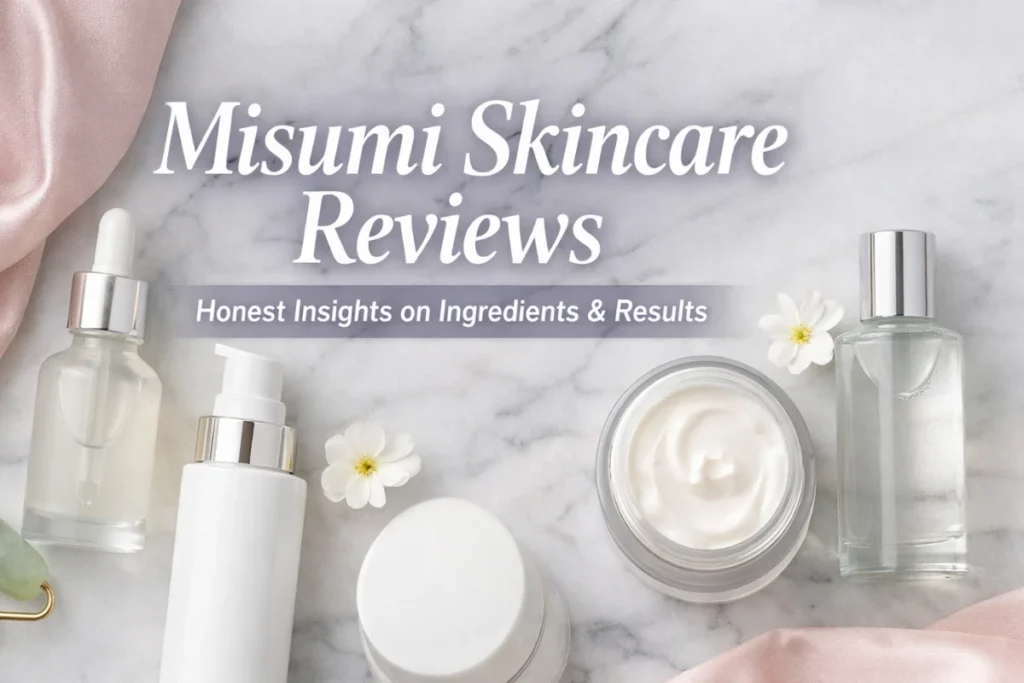
When people search for Misumi Skincare Reviews, they’re usually trying to answer one simple question: Is this brand actually worth my time and money? In a market flooded with minimalist skincare lines and bold marketing promises, Misumi Skincare has managed to stand out by positioning itself as science-backed, gentle, and results-focused. But branding alone isn’t enough. In this comprehensive review, we’ll break down what Misumi Skincare really offers, how it performs, who it’s best for, and whether it deserves a spot in your daily routine.
This article takes a balanced, evidence-informed approach, combining ingredient analysis, real-world use cases, and broader dermatological principles. The goal is not hype, but clarity.
Key Takeaways
-
Misumi Skincare focuses on gentle, barrier-supportive formulations
-
The brand emphasizes ingredient transparency and simplicity
-
Products are generally suitable for sensitive and acne-prone skin
-
Results are gradual rather than overnight, aligning with skin biology
-
Pricing sits in the mid-range, reflecting formulation quality
What Is Misumi Skincare?
Misumi Skincare is a modern skincare brand built around the idea of skin compatibility rather than aggressive correction. Instead of overloading products with dozens of active ingredients, Misumi favors carefully selected formulations designed to work with the skin’s natural processes.
The brand draws inspiration from dermatological research and cosmetic chemistry trends that emphasize:
-
Skin barrier repair
-
Low-irritation actives
-
pH-balanced formulations
-
Fragrance-free or low-fragrance profiles
This philosophy aligns with recommendations from dermatology organizations such as the American Academy of Dermatology, which consistently emphasize gentle cleansing and barrier protection as foundational skincare principles.
Brand Philosophy and Ingredient Approach
Minimalism Without Being Basic
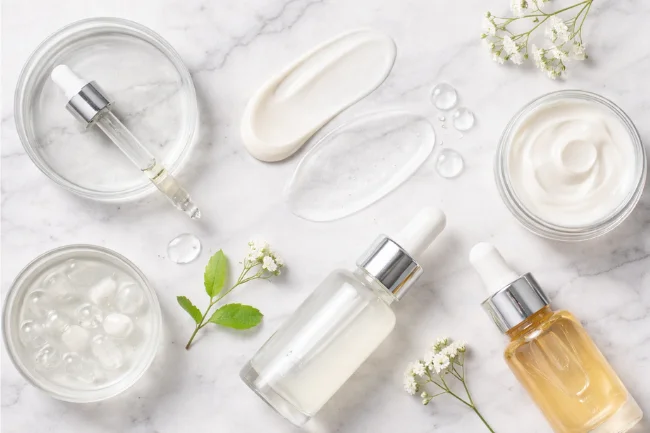
One of the most discussed aspects in Misumi Skincare reviews is the brand’s minimalist approach. Minimalism here does not mean “ineffective.” Instead, it reflects a trend toward functional formulations—products designed to do fewer things, but do them well.
Misumi products typically avoid:
-
Harsh sulfates
-
High concentrations of denatured alcohol
-
Overpowering fragrances
Instead, they rely on ingredients such as:
-
Niacinamide for barrier support
-
Hyaluronic acid for hydration
-
Panthenol and allantoin for soothing
These ingredients are widely supported by cosmetic science literature for their safety and efficacy when used at appropriate concentrations .
Transparency and Skin Literacy
Another recurring theme in Misumi Skincare reviews is transparency. Ingredient lists are clearly explained, and marketing claims are generally modest. This approach builds trust, particularly among consumers who have experienced irritation from overly aggressive skincare routines.
Popular Misumi Skincare Products Reviewed
Below is a comparison of some of the most talked-about Misumi products based on formulation intent, texture, and ideal skin type.
| Product Name | Primary Function | Key Ingredients | Best For |
|---|---|---|---|
| Misumi Gentle Cleanser | Cleanse without stripping | Glycerin, Panthenol | Sensitive, dry skin |
| Misumi Hydrating Essence | Deep hydration | Hyaluronic Acid, Beta-Glucan | Dehydrated skin |
| Misumi Barrier Repair Cream | Strengthen skin barrier | Ceramides, Niacinamide | Compromised skin |
| Misumi Clarifying Serum | Balance oil and texture | Niacinamide, Zinc PCA | Oily, acne-prone skin |
This table reflects a consistent theme: each product has a clear role in a routine, which reduces the risk of ingredient overlap or irritation.
How Misumi Skincare Performs in Real Life
Texture and Layering Experience
Texture is often overlooked in reviews, yet it plays a major role in daily consistency. Misumi products generally have lightweight, fast-absorbing textures that layer well under sunscreen and makeup. This makes them practical for both morning and evening routines.
Results Over Time
Misumi Skincare reviews often emphasize gradual improvement rather than dramatic overnight change. This is not a drawback—it’s a realistic reflection of how skin biology works. According to dermatological research, improvements in barrier function and texture typically take 4–8 weeks of consistent use.
Users commonly report:
-
Reduced redness
-
Improved hydration balance
-
Fewer irritation flare-ups
-
Smoother overall texture
Who Should Consider Misumi Skincare?
Ideal Skin Types
Misumi Skincare tends to work best for:
-
Sensitive skin
-
Combination skin
-
Acne-prone skin that reacts easily
-
Skin recovering from over-exfoliation
People with highly resistant skin who prefer strong exfoliating acids or high-strength retinoids may find Misumi’s approach too gentle on its own. However, many dermatologists recommend pairing gentle base products with targeted actives rather than using aggressive formulas across an entire routine.
Pros and Cons Based on Misumi Skincare Reviews
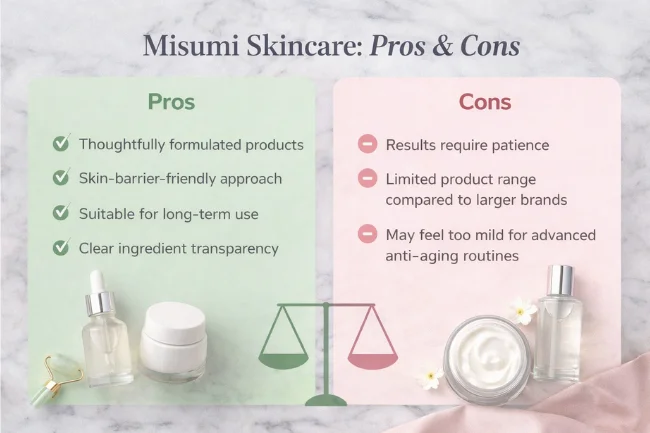
Pros
-
Thoughtfully formulated products
-
Skin-barrier-friendly approach
-
Suitable for long-term use
-
Clear ingredient transparency
Cons
-
Results require patience
-
Limited product range compared to larger brands
-
May feel too mild for advanced anti-aging routines
This balanced profile explains why Misumi Skincare reviews are generally positive but realistic rather than overly enthusiastic.
How Misumi Fits Into a Dermatologist-Approved Routine
Misumi products work well as foundational skincare. A typical routine might look like:
-
Gentle cleanser (Misumi)
-
Hydrating essence or serum (Misumi)
-
Targeted active (optional, from another brand)
-
Barrier repair moisturizer (Misumi)
-
Broad-spectrum sunscreen
This structure aligns with clinical skincare guidelines that prioritize cleansing, moisturizing, and sun protection as non-negotiables for healthy skin .
Sustainability and Brand Ethics
While not heavily marketed as a sustainability brand, Misumi has made steps toward:
-
Minimal packaging
-
Recyclable materials where possible
-
Avoidance of unnecessary outer boxes
For consumers who value environmental responsibility but prioritize skin health first, this is a reasonable middle ground.
FAQs About Misumi Skincare Reviews
Is Misumi Skincare suitable for sensitive skin?
Yes. Most Misumi Skincare reviews highlight its gentle formulations, making it a strong option for sensitive or reactive skin types.
Does Misumi Skincare help with acne?
Misumi products can support acne-prone skin by improving barrier function and reducing irritation, but they are not a replacement for prescription acne treatments.
Are Misumi products fragrance-free?
Many Misumi products are fragrance-free or use very low, non-irritating fragrance levels. Always check the ingredient list if fragrance sensitivity is a concern.
How long does it take to see results?
Most users report noticeable improvements in hydration and texture within 4–6 weeks of consistent use.
Is Misumi Skincare worth the price?
For those seeking gentle, science-aligned skincare with transparent formulations, Misumi offers solid value in the mid-range price category.
Final Verdict: Should You Try Misumi Skincare?
After analyzing ingredient lists, usage patterns, and broader Misumi Skincare reviews, one conclusion stands out: this is a brand built for skin health, not quick fixes. Misumi won’t promise miracles, but it delivers steady, reliable improvements when used consistently.
If your current routine feels harsh, complicated, or unpredictable, Misumi Skincare may be a smart reset. The next step is simple—start with one or two core products, track how your skin responds, and build from there. Healthy skin is a long game, and Misumi understands that.
For More Reading: Preppy Skincare Brands: Timeless, Clean & Polished Picks