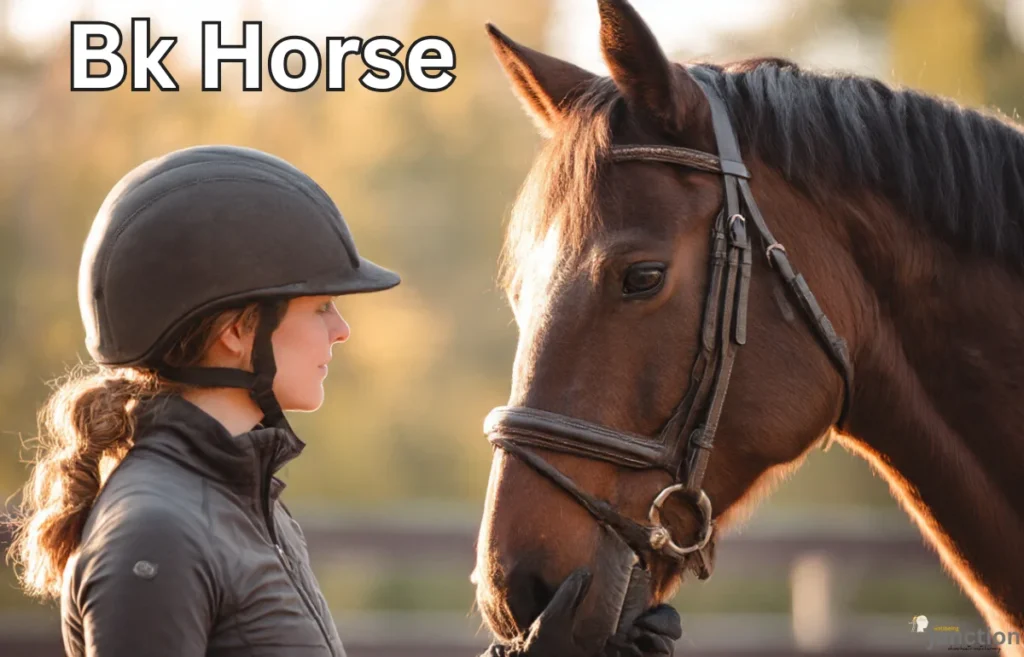
Welcome to a world of horsemanship where the old wisdom of partnership meets the latest in behavioral science. If you’ve been searching for a training system that values the heart and mind of your horse as much as their athletic ability, you’ve likely come across the renowned approach of Bk Horse. This is not about forcing compliance; it’s about nurturing a confident, capable, and willing equine partner. The philosophy centers on tailoring training to the individual horse’s needs, emphasizing a deep understanding of their behavior and natural instincts. The ultimate goal is to foster a strong, trusting relationship that leads to outstanding performance across all disciplines.
The core of the Bk Horse philosophy is a commitment to the horse as an individual. Just like people, every horse has its own temperament, learning style, and physical predispositions. Ignoring these traits is a recipe for frustration and conflict.
Prioritizing Equine Behavior and Psychology
The first step in any training program must be observation. Bk Horse emphasizes learning to read a horse’s subtle body language—the flick of an ear, the tension in a muscle, the expression in an eye—which provides critical feedback on their emotional state.
By acting as a calm, consistent leader, the handler provides the security a prey animal instinctively craves. This leadership is established through clear communication and mutual respect, not fear-based methods. This psychological foundation is what allows a horse to relax, focus, and genuinely engage in the learning process.
The Bedrock of Trust: Consistency in the Daily Routine
Predictability in routine forms the strong foundation of trust. The structured, predictable routine championed by the Bk Horse method helps reduce anxiety and enhances the horse’s ability to learn. A well-planned day ensures that both mental and physical needs are met, maximizing the benefits of every session.
Morning Routines: Bonding and Warm-Ups
The day begins with a focus on care and connection. This time is much more than mere maintenance; it is an active part of the training cycle.
Feeding and Observation: Ensuring proper, tailored nutrition is paramount, as health is the foundation of performance. Observing eating habits offers vital insights into a horse’s current well-being.
Grooming for Connection: A thorough grooming session is a key bonding activity. It acts as a full-body check for any soreness or injury and reinforces the handler’s presence as a source of comfort.
Physical Preparation: Warm-up exercises are non-negotiable. Gentle stretching and light movement, such as walking in circles or gentle trotting, increase blood flow and prepare muscles for work, drastically reducing the risk of injury.
Targeted Training: Developing Power and Suppleness
The training session itself is carefully planned to build both physical capability and mental focus. The goal is to develop a horse that is not just strong, but supple, balanced, and responsive.
Technique
Primary Benefit
Secondary Benefit
Essential for Discipline
Lunging
Core Muscle Development
Enhanced Responsiveness
Dressage, All-Around Fitness
Pole Work / Cavaletti
Improved Coordination & Balance
Hindquarter Engagement
Jumping, Foundation Training
Transitions
Sharpened Focus & Collection
Building Specific Muscle Groups
Dressage, Eventing
Hill Work
Selective Muscle Loading (Hindquarters)
Increased Stamina & Power
Eventing, Endurance
Groundwork, like lunging at varied gaits and directions, is fundamental. It develops core stability and body awareness. Introducing pole work and cavaletti requires the horse to lift its legs and coordinate its body, which naturally improves agility and balance, setting up a solid foundation for more advanced work. Practicing smooth transitions between gaits is a key semantic that builds specific strength essential for all performance tasks.
Afternoon Break and Advanced Training
The Bk Horse method recognizes that a horse’s recovery is just as important as its workout. Recovery is where the body adapts and strengthens, and the mind processes the lessons learned.
The Recharge Cycle: Essential Rest and Fueling
An afternoon break is an essential component of the schedule. High-quality nutrition and hydration are provided to support muscle repair and energy replenishment. This downtime allows for mental relaxation, reducing stress levels after rigorous sessions. Giving the horse space to relax, socialize, or simply be quiet in a paddock promotes overall emotional well-being—a crucial ingredient for a happy, willing athlete.
The Next Level: Jumping and Dressage
Once the fundamentals of strength, balance, and trust are established, the path opens up to advanced disciplines like jumping and dressage.
For jumping, the focus shifts to rhythm and stride control. Using ground poles and simple gymnastic grids helps the horse learn to gauge distances and develop confidence over obstacles without rushing the process. The reward system remains critical here, encouraging the horse’s willingness to jump.
In dressage, precision and collection become the goal. Exercises like transitions between collected, working, and extended gaits are utilized to enhance communication. Lateral movements, such as leg yields and shoulder-in, are incorporated to increase flexibility and suppleness, teaching the horse to move off the rider’s aids with lightness and self-carriage.
The Bk Horse Bedrock: Consistency and Mutual Respect
The philosophy of Bk Horse is underpinned by two non-negotiable principles: consistency and positive reinforcement.
Consistency in cues, aids, and daily routine builds a reliable, predictable world for the horse, allowing their confidence to flourish. When the rules are clear, the horse is relaxed and more receptive to instruction.
Positive reinforcement—rewarding desired behaviors with praise, a scratch, or a moment of rest—makes the horse an active participant in its training. This fosters a strong, two-way communication channel built on respect, not coercion, solidifying the trusting partnership that defines the Bk Horse way.
Final Word: The Unbreakable Partnership
The journey with Bk Horse is not just about producing a high-performance animal; it’s about forging an unbreakable bond. By prioritizing the horse’s individual needs, emphasizing clear communication, and maintaining a structure of consistent, thoughtful training, you unlock their full potential. The ultimate success is found in the harmonious, trusting partnership you build.
What’s your next step? Start today by focusing on the first two minutes of your interaction: slow down, focus on your horse’s body language, and commit to one consistent warm-up ritual. That small step is where the greatest transformation begins.
FAQs
1. What is the main difference between the Bk Horse philosophy and traditional training?
The core difference is the focus on individualized training and equine psychology. While traditional methods can sometimes prioritize immediate results or discipline over understanding, the Bk Horse approach emphasizes establishing a strong, trust-based partnership first, tailoring all techniques to the horse’s specific mental and physical needs.
2. How often should I incorporate advanced techniques like cavaletti and hill work?
Advanced conditioning like cavaletti and hill work should be incorporated a maximum of 2-3 times per week, allowing for ample rest and recovery. They are intense exercises designed to build specific muscle groups, and overworking can lead to fatigue or injury. Consistency in the fundamental groundwork is more important than frequency in advanced work.
3. What does “consistency” mean in practical terms for a horse owner?
Consistency means three main things: having a predictable daily routine (feeding, turnout, training times), using the same clear cues and aids every time for a given command, and maintaining a stable emotional state as the handler. A horse must be able to trust that your response will always be the same.
4. How can I improve the “bonding” aspect during my daily routine?
Beyond riding, bonding is enhanced by dedicated, non-demanding time. This includes thoughtful grooming, hand-grazing, or simply standing quietly with your horse. The key is to be fully present, using a calm demeanor and light physical contact to reinforce your relationship outside of structured work.
5. Is this training method suitable for all types of horses and disciplines?
Yes. Because the Bk Horse method is rooted in fundamental principles of equine behavior, clear communication, and building a strong physical foundation (strength, agility, balance), it is highly effective for horses of all breeds and disciplines, from pleasure riding to competitive eventing, dressage, and jumping.
WELLNESS NOTESBetter Health
Simple weekly tips
WELLNESS UPDATES
Get Simple Wellness Ideas Every Week
Practical health, dental care, beauty, skin care, nutrition and personal growth tips delivered straight to your inbox.
No spam. Just useful wellness ideas and healthy living guidance.
Ton Roobprom is an experienced writer focused on practical advice across technology, business, travel, beauty, lifestyle, and home improvements. He specializes in distilling complex subjects into clear, actionable insights to help you enhance your daily life.