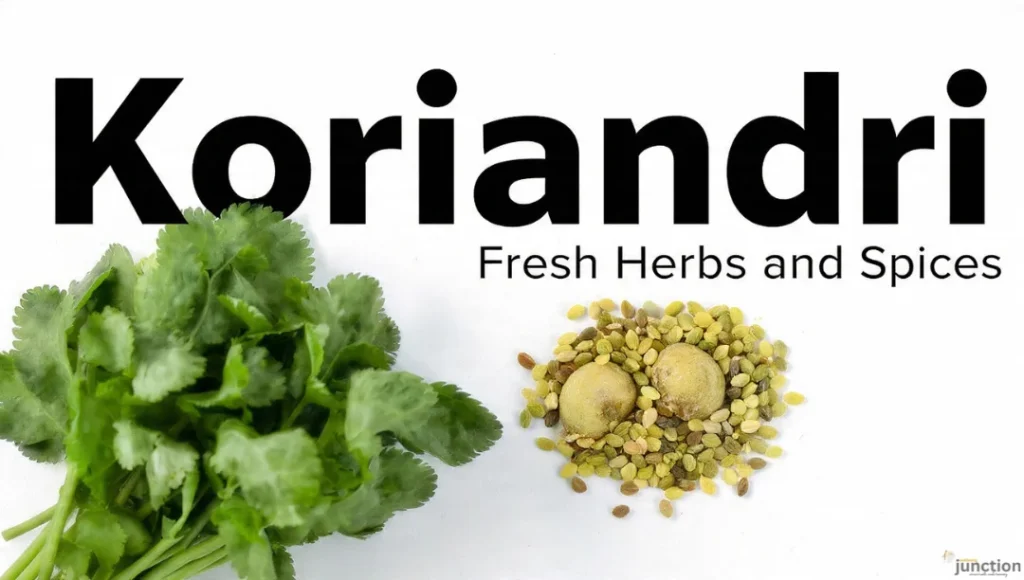
There are few ingredients in the world that inspire as much passion, debate, and culinary creativity as Koriandri. This unassuming annual herb, known globally as either coriander or cilantro, is a powerhouse of vibrant flavor and historical significance. It is an essential component in global kitchens, weaving its unique thread through the culinary tapestries of India, Mexico, Thailand, and beyond in the Middle East. Whether you’re a seasoned chef using its warm, citrusy seeds in a complex spice blend or a home cook sprinkling its bright green leaves over a fresh salsa, understanding Koriandri is key to unlocking a new dimension of taste and nutrition.
This article takes an in-depth look at Koriandri, highlighting its vibrant nature and incredible versatility, and exploring why this single plant yields two distinctly flavored ingredients that are indispensable worldwide.
A Journey Through Time: The Rich History and Origin of Koriandri
The story of Koriandri is truly ancient, tracing its path from the dawn of recorded history. It is believed to have originated in the Mediterranean Basin and parts of Asia, and its presence in human civilization is exceptionally well-documented.
Early Mentions and Archaeological Finds
The earliest archaeological evidence of Koriandri (specifically, its seeds) dates back thousands of years. Fragments have been discovered in the Neolithic period of Israel, making it one of the oldest spices known to humankind. The ancient Egyptians, too, held it in high regard, burying its seeds in the tombs of pharaohs—most notably Tutankhamun—suggesting a belief in its importance in the afterlife, or perhaps its medicinal value.
Ancient Greek and Roman texts also mention its use, both in the kitchen and as a folk remedy. The term itself, coriander, derives from the Latin coriandrum, which comes from the Ancient Greek koriannon.
Koriandri’s Global Expansion
As trade routes expanded and empires connected distant lands, Koriandri followed, becoming a staple in new culinary landscapes.
- Asia: It became deeply rooted in Indian cooking, where the seeds are a foundational element of curries and the leaves, known as dhania, are used ubiquitously for garnish and flavor.
- Americas: Spanish colonizers introduced the herb to the New World. In Latin America, the leaves earned the name cilantro (the Spanish word for coriander), which is now the common term for the leaves in North America. Its bright, zesty flavour became synonymous with Mexican food, essential for tacos, guacamole, and fresh salsas.
The distinction between the names—coriander for the seeds and cilantro for the leaves—often indicates whether the speaker is referencing its use in European/Asian cooking (seeds) or Mexican/North American cooking (leaves).
The Dual Delight: Culinary Uses of Koriandri
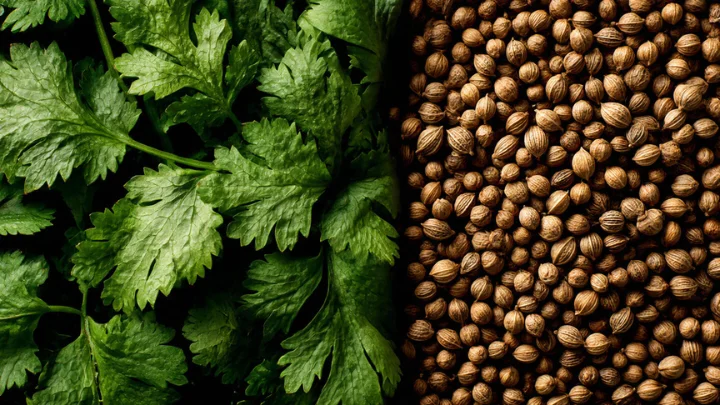
What makes Koriandri so versatile is that its two main edible parts—the leaves and the seeds—offer dramatically different flavor profiles, allowing the plant to function both as an aromatic herb and a warming spice.
Koriandri Leaves (Cilantro): Bright, Citrusy, and Fresh
The fresh leaves, or cilantro, are defined by a bright, citrusy, and slightly peppery taste. They are almost always used raw or added right at the end of cooking to preserve their delicate volatile oils.
- Garnish: A must-have for Mexican dishes, like tacos and burritos, and Southeast Asian cuisine, adorning pho and curries.
- Flavour Base: The primary component in fresh salsas, chutneys (particularly Indian dhania chutney), and the base for green curry pastes.
- Salads & Marinades: Used in fresh Thai salads, and blended into marinades for grilled chicken or fish.
Koriandri Seeds: Warm, Nutty, and Earthy
The dried, pale brown seeds are called coriander and possess a warm, nutty, and slightly sweet-citrus flavour.12 Unlike the leaves, the seeds are typically used whole or ground and toasted to enhance their complex aroma.
- Spice Blends: They are a core ingredient in numerous global spice blends, including Indian garam masala, Ethiopian berbere, and Middle Eastern baharat.
- Baking and Pickling: Whole seeds are used in pickling brines for vegetables, and they occasionally appear in rye bread or biscotti recipes for an aromatic lift.
- Curries and Stews: Ground coriander seed provides a wonderful earthy depth, acting as a superb background note in slow-cooked dishes, curries, and vegetable sautés.
A Treasure Trove of Wellness: Health Benefits of Koriandri
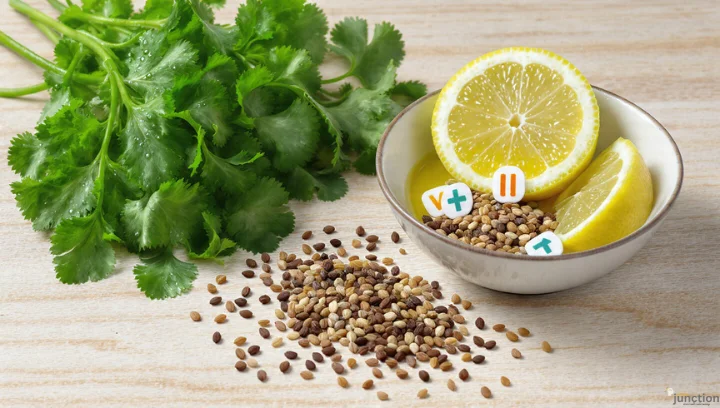
Beyond its incredible taste, Koriandri also packs a significant nutritional punch, reinforcing its long-standing use in traditional medicine. The herb is rich in essential nutrients and powerful bioactive compounds.
A Nutritional Powerhouse: Vitamins and Antioxidants
Koriandri is an excellent source of several key vitamins and antioxidants that contribute to overall health. The fresh leaves, for example, are notably high in:
| Component | Primary Benefit | Culinary Part |
|---|---|---|
| Vitamin K | Essential for blood clotting and bone health | Leaves (Cilantro) |
| Vitamin C | Supports the immune system and acts as an antioxidant | Leaves (Cilantro) |
| Antioxidants | Combats free radicals, reducing oxidative stress | Leaves & Seeds |
| Essential Oils | May possess anti-inflammatory and antimicrobial properties | Leaves & Seeds |
| Dietary Fibre | Supports digestive regularity | Seeds (Coriander) |
Boosting Digestion and Cholesterol Management
One of the most famous traditional uses of Koriandri involves supporting the digestive tract. Its natural compounds, particularly the essential oils, have been shown to help soothe an upset stomach and promote the healthy function of the digestive system by stimulating appetite and aiding in the movement of food. Furthermore, some studies suggest that incorporating the seeds into your diet may contribute to cardiovascular health by helping to improve lipid profiles, including potentially lowering LDL (“bad”) cholesterol.
The aromatic quality of Koriandri also hints at its therapeutic properties; its anti-inflammatory and antimicrobial effects are topics that current studies are examining more closely.
Incorporating Koriandri into Your Everyday Diet
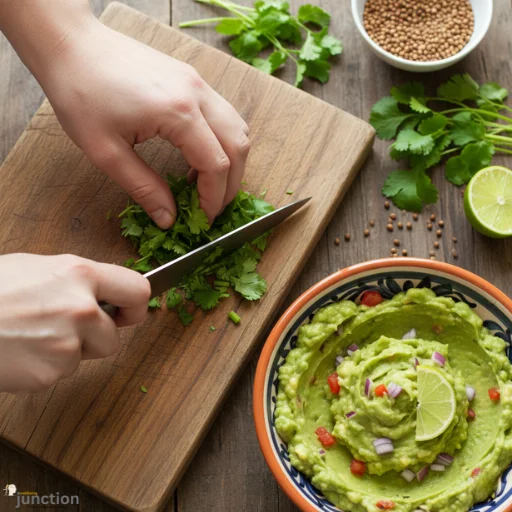
Making Koriandri a regular part of your meals is both easy and rewarding. The key is to know when to use the fresh leaves and when to use the dried seeds to achieve the best flavour.
Cooking with Fresh Koriandri (Cilantro)
- Finishing Touch: Always stir in fresh, chopped cilantro right before serving soups, stews, or curries to maintain its bright flavour and nutritional value.
- The Blend: Blend a handful of fresh cilantro leaves (and the stems, which are full of flavour!) into homemade pestos, chimichurri, guacamole, or vibrant green smoothies.
- Fresh Salads: Toss a generous amount into cucumber, tomato, and onion salads for an immediate lift.
Using Koriandri Seeds (Coriander)
- Toasting is Key: For the best flavour, lightly toast whole coriander seeds in a dry pan before grinding them. This process releases their warm, essential oils.
- Roasting: Sprinkle ground or whole coriander seeds over root vegetables like carrots, potatoes, or cauliflower before roasting for an earthy, aromatic crust.
- Marinades: Incorporate ground coriander into dry rubs for beef, pork, or poultry to provide a deep, aromatic base flavour.
Conclusion: Embrace the Versatility of Koriandri
From ancient Egyptian tombs to modern-day spice racks, the journey of Koriandri—whether you call it coriander or cilantro—is a testament to its enduring power as a culinary and medicinal powerhouse. Its duality, offering both a bright, fresh herb and a warm, earthy spice, ensures it guarantees its continued role as a must-have herb on every continent. By embracing its rich history, understanding its diverse applications, and appreciating its health benefits, you can effortlessly elevate your cooking to a global standard.
Why not try revolutionizing your ordinary weeknight recipes? Don’t just garnish; infuse. Start experimenting with both the leaves and the seeds of Koriandri today. Try making a fresh cilantro-lime rice or a simple, homemade dry rub with toasted coriander seeds for your next steak.
FAQs About Koriandri
1: What is the difference between Koriandri, Coriander, and Cilantro?
They are different names for one plant, which is classified by botanists as Coriandrum sativum. Koriandri is the main keyword. Cilantro is the Spanish word for the fresh leaves, and it is the term primarily used in North America. Coriander typically refers to the dried seeds of the plant, though in some regions (like the UK), it is used as the general term for the entire plant.
2: Why does Koriandri (Cilantro) taste like soap to some people?
The phenomenon is rooted in inherited genetics. A small percentage of the population possesses a gene, specifically a group of olfactory receptor genes called OR6A2, that causes them to be highly sensitive to the aldehydes in the cilantro leaves. These aldehydes are natural compounds that, to them, smell and taste distinctly like soap.
3: Can I use the root of the Koriandri plant in cooking?
Absolutely! The root of the Koriandri plant has a deeper, more intense flavour than the leaves and is frequently incorporated into the culinary tradition of Thailand. It is often pounded with garlic, white pepper, and other aromatics to form the base of marinades and curry pastes.
4: Are the health benefits different for the leaves and the seeds?
While both are beneficial, their concentration of nutrients differs. The leaves (cilantro) are richer in Vitamin K and Vitamin C. The seeds (coriander) contain more dietary fibre and minerals and are known for their essential oils, which help soothe the stomach and may offer advantages for managing high cholesterol.
5: How should I store fresh Koriandri to keep it from wilting quickly?
Treat fresh cilantro like a bouquet of flowers. Trim the ends, place the stems upright in a glass jar with about an inch of water, and then cover them lightly with a plastic covering. This assembly can be kept refrigerated. This method can keep the leaves fresh and vibrant for up to two weeks.