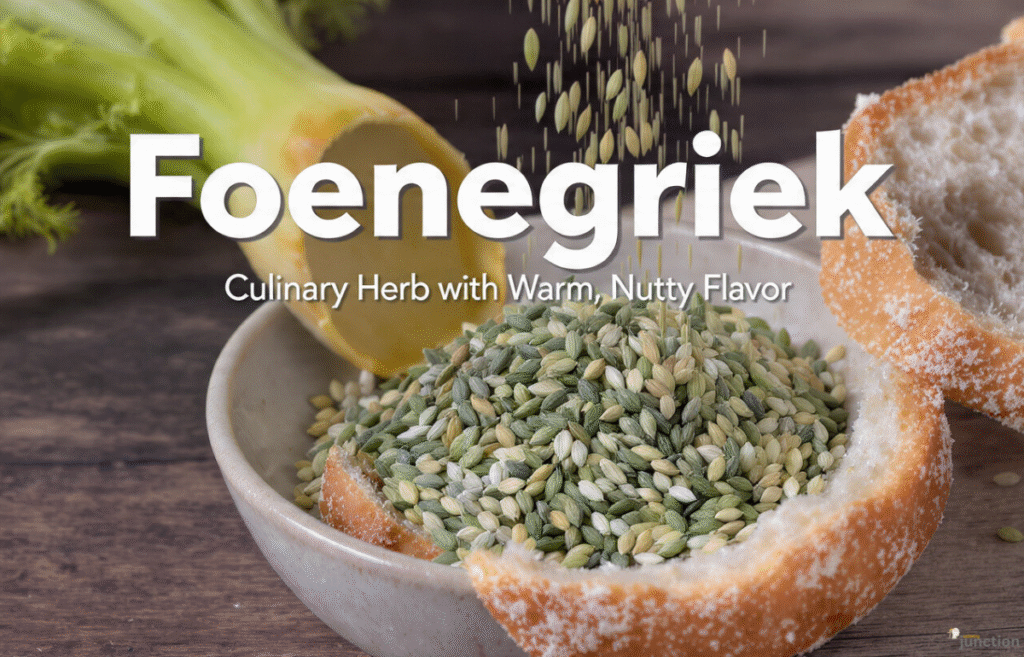
Have you ever wondered about the powerful little seeds tucked away in your spice cabinet, the ones that add a unique, slightly nutty and bitter depth to a good curry? Chances are you’ve encountered foenegriek, more commonly known as fenugreek (Trigonella foenum-graecum). This remarkable plant has been a staple in traditional medicine and global cuisine for thousands of years, tracing its roots to South Asia and the Mediterranean. Its history is strongly tied to the Middle East. Today, it’s seeing a massive resurgence in the world of natural wellness, moving beyond the kitchen to become a highly valued supplement.
This comprehensive guide will explore the rich history, impressive nutritional profile, and scientifically studied health benefits of foenegriek, helping you understand why this ancient herb deserves a spot in your modern health routine.
The Journey of Foenegriek: From Ancient Egypt to Modern Supplements
The history of foenegriek is as rich as its aroma. Its usage dates back to ancient times, with evidence of its cultivation found in Egypt as early as 1500 B.C.The Romans and Greeks also used it extensively, not just for cooking, but also employed it for its therapeutic qualities in addressing numerous health issues.
Cultural Legacy: The Time-Honored Uses of Foenegriek
In Traditional Chinese Medicine (TCM), foenegriek seeds were used to treat kidney problems and cold conditions. Meanwhile, in Ayurveda, the traditional healing system of India, it was known for its ability to balance Kapha and Vata energies, and was prescribed as a digestive aid and a remedy for joint pain. The leaves, known as methi, are a beloved vegetable staple in Indian cooking.
The continuous use of foenegriek across such diverse cultures for millennia serves as a powerful testament to its perceived efficacy, sparking modern research into its traditional roles.
Decoding the Nutritional Powerhouse
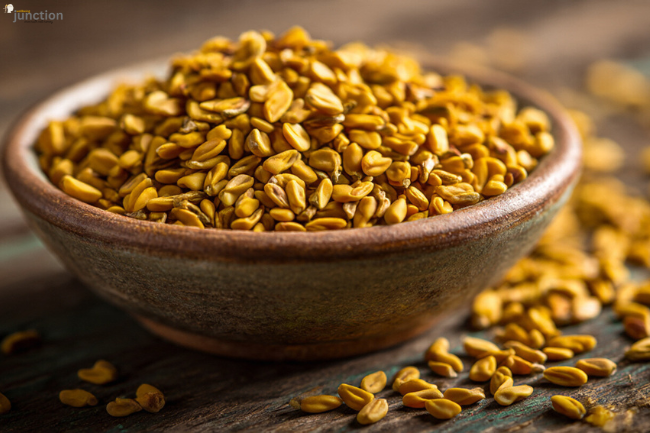
It’s the tiny, hard, yellow-brown seeds that hold the most concentrated nutritional value. Foenegriek seeds are a complex matrix of essential nutrients and potent plant compounds that contribute to their therapeutic properties.
Foenegriek Seeds: What They Contain
Foenegriek stands out because of its unique composition, particularly its high content of fiber and specific phytochemicals.
Dietary Fiber: A single tablespoon of seeds can contain a significant amount of soluble fiber, which is crucial for digestive health and plays a key role in slowing carbohydrate absorption.
Protein and Minerals: Foenegriek is a good source of plant-based protein, making it valuable in vegetarian diets. It also provides essential minerals like iron, magnesium, manganese, and copper.
Saponins and Flavonoids: These are the potent plant compounds responsible for many of foenegriek’s benefits. Saponins, in particular, give the herb its slight bitterness and are the subject of much research into blood sugar and hormonal effects.
While traditional knowledge is vast, modern science has zeroed in on several key areas where foenegriek appears to offer verifiable health advantages. It is critical to remember, however, that while studies are promising, foenegriek is a supplement and should not replace prescribed medical treatment. Be sure to consult with a medical provider before beginning supplementation.
1- Metabolic and Blood Sugar Management
One of the most robust areas of research focuses on foenegriek’s role in metabolic health.The high soluble fiber content, especially the presence of galactomannan, is believed to interfere with the absorption of glucose, leading to a slower and more steady rise in blood sugar after meals. This is why many people managing type 2 diabetes or insulin resistance seek out foenegriek supplements.
2- Supporting Gut Health and Promoting Satiety
The bulk-forming nature of its fiber makes foenegriek a traditional and effective remedy for constipation. Additionally, by taking up too much acid and soothing the delicate walls of the stomach and bowels, it serves as a natural remedy to relieve indigestion and heartburn symptoms.
For those aiming for healthy weight management, the soluble fiber creates a feeling of fullness (satiety), which can contribute to a lower overall number of calories consumed while discouraging the habit of overindulging.
3- Hormonal Support and Balance
Foenegriek has a long-standing reputation as an herb that supports hormonal balance in both men and women.
Support for Lactation
Perhaps its most popular use today is as a galactagogue, an agent that promotes milk production in breastfeeding mothers.Studies suggest that certain compounds in foenegriek may help stimulate prolactin, the hormone responsible for milk supply.
Potential Role in Men’s Health
In men, several clinical trials have explored the link between specific foenegriek extracts and the support of healthy testosterone levels, which can positively impact energy, libido, and strength. However, the effects can vary significantly among individuals, and research is ongoing.
4- Skin, Hair, and Wellness
Due to its high concentration of antioxidants and anti-inflammatory properties, foenegriek is not just consumed; it is often applied topically. A paste made from ground seeds is a popular home remedy in South Asia for promoting scalp health, eliminating visible dandruff, and encouraging stronger hair growth from the follicle. The antioxidants also contribute to the fight against oxidative stress, which can benefit skin health.
Practical Ways to Incorporate Foenegriek into Your Life
The great thing about foenegriek is its versatility. You can use it in many forms to suit your needs.
Culinary Applications: Flavor and Function
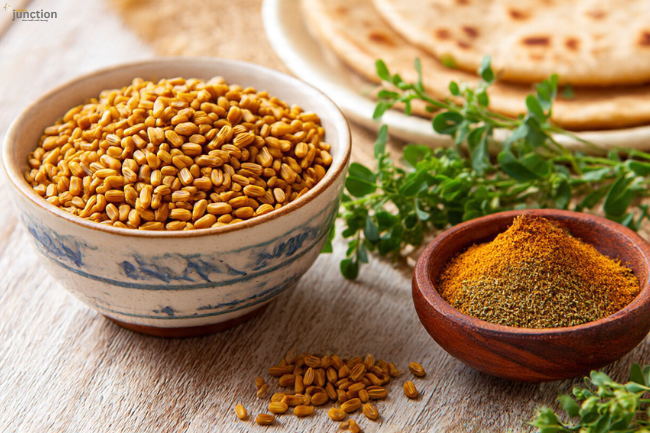
Seeds: The dried seeds are best roasted briefly before grinding to mellow out their natural bitterness.They are a core ingredient in many curry powders, masalas, and vegetable dishes.
Leaves (Methi): The fresh or dried leaves are used like spinach or herbs to flavor flatbreads (parathas), stews, and lentil dishes. They have a more delicate, grassy flavor compared to the seeds.
Tea: Soaking or lightly boiling the seeds creates an aromatic tea, often consumed as a digestive tonic.
Supplements and Extracts
For targeted health benefits, such as metabolic support or hormonal balance, standardized extracts in capsule or powder form offer a reliable, measured dose of the active compounds. These are typically taken before or with meals.
Important Safety and Cautionary Notes
While foenegriek is Generally Recognized as Safe (GRAS) when used in amounts found in food, supplements should be approached with caution.
Pregnancy: Due to its potential to stimulate uterine contractions, pregnant women should strictly avoid foenegriek supplements.
Medication Interactions: It may interact with blood-thinning medications and, critically, with blood sugar-lowering drugs, potentially causing hypoglycemia (low blood sugar).
Allergies: People who are sensitive to members of the Fabaceae (legume) family, such as peanuts or chickpeas, may experience allergic reactions.
FAQs About Foenegriek
Q1: Is foenegriek the same as fenugreek?
Yes, foenegriek is simply an alternative spelling or name for the herb commonly known as fenugreek (Trigonella foenum-graecum). They refer to the exact same plant and seeds.
Q2: Does foenegriek help with weight loss?
While not a magic pill for weight loss, the high fiber content in foenegriek can significantly increase feelings of satiety (fullness), which may help reduce overall calorie intake and support healthy weight management efforts when combined with diet and exercise.
Q3: How should I use foenegriek seeds for cooking?
Foenegriek seeds should be used sparingly due to their intense, slightly bitter flavor. It is often recommended to dry-roast the seeds lightly before grinding them to mellow the bitterness and enhance the nutty aroma, especially when making curry powders.
Q4: Can foenegriek lower blood sugar?
Some studies suggest that compounds in foenegriek may help slow the absorption of carbohydrates and improve insulin function, leading to better blood sugar regulation. However, individuals with diabetes should use it only under medical supervision, as it can intensify the effects of prescribed medication.
Q5: What is the recommended daily dosage for foenegriek?
Dosages can vary widely based on the intended use (e.g., blood sugar vs. lactation) and whether you are using whole seeds, powder, or a standardized extract. Common dosages in studies range from 1 to 6 grams of seed powder daily. Always follow the instructions on your chosen supplement or, ideally, consult with a health professional for personalized advice.
Conclusion: Embracing the Power of Foenegriek
From its ancient origins to its place in modern scientific scrutiny, foenegriek stands as a fascinating and powerful medicinal herb. Its unique nutritional profile, rich in fiber, minerals, and potent saponins, offers promising support for metabolic health, digestion, and hormonal balance. Whether you choose to savor its robust flavor in your cooking or harness its potential in supplement form, foenegriek is a versatile and beneficial addition to a holistic approach to wellness.
Your Next Step: If you are considering adding foenegriek supplements to your routine, start by speaking with your healthcare provider to ensure it’s the right choice for your specific health profile and to discuss proper dosage.
WELLNESS NOTESBetter Health
Simple weekly tips
WELLNESS UPDATES
Get Simple Wellness Ideas Every Week
Practical health, dental care, beauty, skin care, nutrition and personal growth tips delivered straight to your inbox.
No spam. Just useful wellness ideas and healthy living guidance.
Irfan Ali is the founder of Wellbeing Junction, where he specializes in synthesizing peer-reviewed research into actionable lifestyle guides. By bridging the gap between scientific data and daily habits, Irfan Ali provides evidence-based strategies for skin health, nutrition, and personal growth. Follow his work for trusted, human-first wellness advice.