Dental bone grafting is a frequently performed procedure aimed at restoring or replacing missing bone in the jaw, typically as a prerequisite for dental implants. However, as with any surgery, there are instances where the grafting process may fail, causing issues during recovery. In this article, we will explore the potential causes of failed dental bone graft healing, how it can be identified, and what the healing process should ideally look like. We will also include “failed dental bone graft healing pictures” to help you better understand the issue.
Dental bone grafting is a procedure where either natural or synthetic bone materials are used to replace missing or damaged bone in the jaw, usually when there isn’t enough bone to support dental implants.The graft material may come from various sources, including synthetic materials, cadaveric bone, or the patient’s own bone. Over time, the graft integrates with the existing bone through a process known as osseointegration.
While this procedure can significantly improve the chances of a successful dental implant placement, the healing process can sometimes be fraught with complications. Understanding these issues is crucial for identifying when healing is not proceeding as expected.
The Healing Process of a Dental Bone Graft
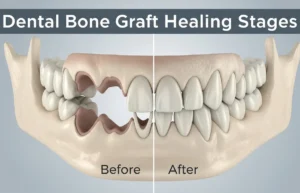
The healing process of a dental bone graft typically follows a set and expected pattern. Generally, the stages of healing include:
Early Stages of Healing: Within the first few days to weeks, the graft material begins to bond with the existing bone. This phase often involves some swelling, tenderness, and possible bruising.
Bone Regeneration: Over the course of several months, the graft material is progressively replaced by fresh bone tissue as the body generates new bone cells through a process called osteogenesis.
Full Integration: The last stage happens when the new bone completely merges with the surrounding bone, a process that typically takes three to six months, depending on the graft’s complexity and the patient’s health status.
Proper conditions and care are essential for the successful healing of a dental bone graft. However, if complications arise, the healing process can be hindered, leading to a failed graft.
Signs of Failed Dental Bone Graft Healing
The healing process is delicate, and failure can result in several issues. Below are important indicators that your dental bone graft may not be healing properly:
1. Infection
Infection is a frequent complication in surgical procedures. If the graft site gets infected, symptoms like swelling, discomfort, redness, and fever may occur. Infections can prevent the bone from integrating properly, causing the graft to fail.
2. Lack of Bone Growth
In some cases, the bone may fail to grow into the graft material. This can be caused by insufficient blood supply to the area, an improper graft material, or the body’s inability to heal properly. When bone growth doesn’t occur, the graft may not be strong enough to support a dental implant.
3. Rejection of Graft Material
Although uncommon, it is possible for the body to reject the graft material, especially if it does not align with the patient’s biological makeup. Such interference may prevent proper integration, obstructing the growth of the bone.
4. Movement of the Graft
If the graft material becomes loose or shifts during the healing process, the new bone cannot grow properly. This can occur due to trauma or inadequate fixation of the graft during surgery.
5. Unexplained Pain and Swelling
If you experience consistent pain or swelling long after the graft procedure, it may indicate that something has gone wrong with the healing process. Persistent discomfort can be a sign of failure and requires immediate attention from your dentist or surgeon.
6. Gum Recession
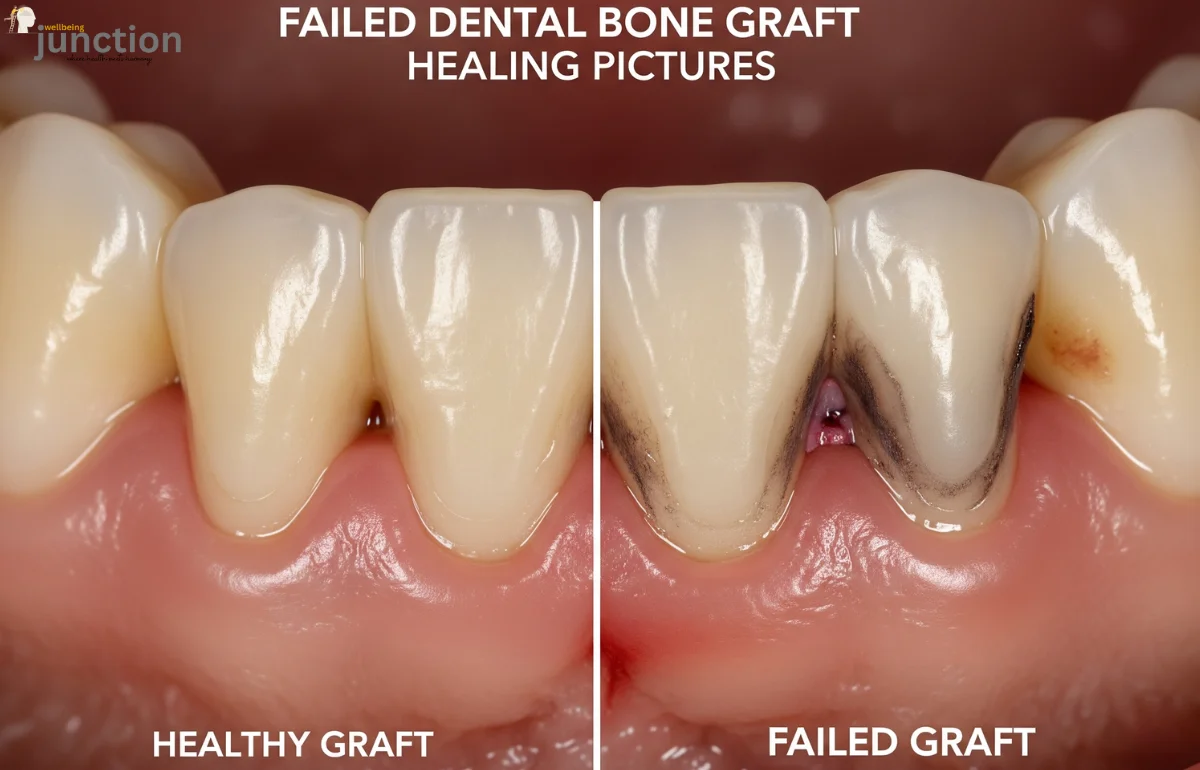
Another sign of failed graft healing is noticeable gum recession around the grafted area. If the gums do not heal properly or begin to recede, it can indicate that the underlying bone has not integrated well with the graft.
Failed Dental Bone Graft Healing Pictures: What to Look For
While pictures of failed dental bone graft healing can be unsettling, they can help provide clarity on the issue. In the early stages of healing, it is important to watch for signs of infection or complications. Here are some common visual indicators of a failed bone graft:
Visible Pus or Discharge: If there is a significant amount of pus or discharge from the graft site, it suggests that infection has set in.
Absence of Bone Growth: Failed grafts may show a lack of new bone growth on X-rays. In these cases, the area around the graft may appear empty or not as dense as it should.
Severe Swelling or Redness: Significant swelling or redness, particularly if it persists beyond a few weeks, could indicate a failed graft.
Shifting Graft Material: If the graft shifts or moves, the surrounding tissue may show signs of damage, and the material may be visible in abnormal positions.
The images of failed dental bone graft healing often highlight the complications mentioned above, allowing both patients and professionals to understand what might have gone wrong. It’s important to compare these pictures with what a healthy healing process should look like, which will be discussed in the next section.
Healthy Dental Bone Graft Healing vs. Failed Healing
Below is a comparison table to help you understand the differences between healthy dental bone graft healing and failed healing:
Feature
Healthy Healing
Failed Healing
Swelling and Pain
Mild and subsides over time
Persistent, severe pain and swelling
Infection
Minimal or no signs of infection
Presence of pus or unusual discharge
Bone Growth
Steady integration with surrounding bone
Lack of new bone growth; graft appears empty on X-rays
Gum Health
Healthy, no recession or bleeding
Gum recession, bleeding, or discomfort
Healing Time
Progresses as expected within 3-6 months
Prolonged healing, failure to reach integration
Treatment for Failed Dental Bone Graft
If you notice signs of a failed dental bone graft, it’s essential to visit your dentist or oral surgeon immediately. Depending on how severe the problem is, different treatment options may be recommended:
1. Antibiotics for Infection
If infection is the primary cause of graft failure, antibiotics will be prescribed to control the infectionIn certain situations, the infected graft may need to be removed before a new one can be placed.
2. Bone Regeneration Techniques
Advanced bone regeneration techniques, like sinus lifts or the use of growth factors, can help stimulate new bone growth and repair the failed graft.
3. Graft Replacement
If the graft material is not compatible with the patient’s body or is causing issues, it may need to be replaced with a different material, either synthetic or autologous (from the patient’s own body).
4. Improved Fixation
Failure can occur when the graft is not adequately fixed in place.In such cases, your surgeon may choose to stabilize the graft with more secure fixation techniques to allow for better healing.
Frequently Asked Questions
1. How much time does it usually take for a dental bone graft to fully heal?
Healing time can vary, but it typically takes about 3 to 6 months for the graft to fully integrate with the existing bone.
2. What causes a failed dental bone graft?
Common causes include infection, lack of bone growth, graft rejection, and trauma to the graft site.
3. Can a failed bone graft be fixed?
Yes, depending on the issue, a failed graft can be repaired or replaced with new material.
4. What are the signs that my dental bone graft is not healing properly?
Signs of failure include persistent pain, infection, lack of bone growth on X-rays, and visible changes in the gums or graft site.
5. Are there preventive measures to ensure the success of a dental bone graft?
While not all failures can be prevented, proper aftercare, avoiding infection, and choosing the right graft material can reduce the risk of failure.
Conclusion
It’s crucial for anyone undergoing a dental bone graft to understand the associated risks and healing process. By recognizing the signs of a failed graft early on and comparing them with healthy healing, you can take immediate action to prevent further complications. If you suspect your dental bone graft is not healing properly, don’t hesitate to reach out to your dentist or oral surgeon for evaluation and treatment.
Call to Action: If you’re considering a dental bone graft or need to address a healing issue, contact your dental professional today to ensure the best care and outcomes for your oral health.
Learn About Physician Mutual Dental Insurance
Maya Ellison is a Dental Health Content Researcher at Wellbeing Junction with 4+ years of experience researching and writing consumer-focused oral health content. She covers preventive dental care, oral hygiene, common dental treatments, and everyday dental concerns, with a focus on presenting evidence-informed information in clear, practical language.
Maya Ellison is a Dental Health Content Researcher at Wellbeing Junction with 4+ years of experience researching and writing consumer-focused oral health content. She covers preventive dental care, oral hygiene, common dental treatments, and everyday dental concerns, with a focus on presenting evidence-informed information in clear, practical language.